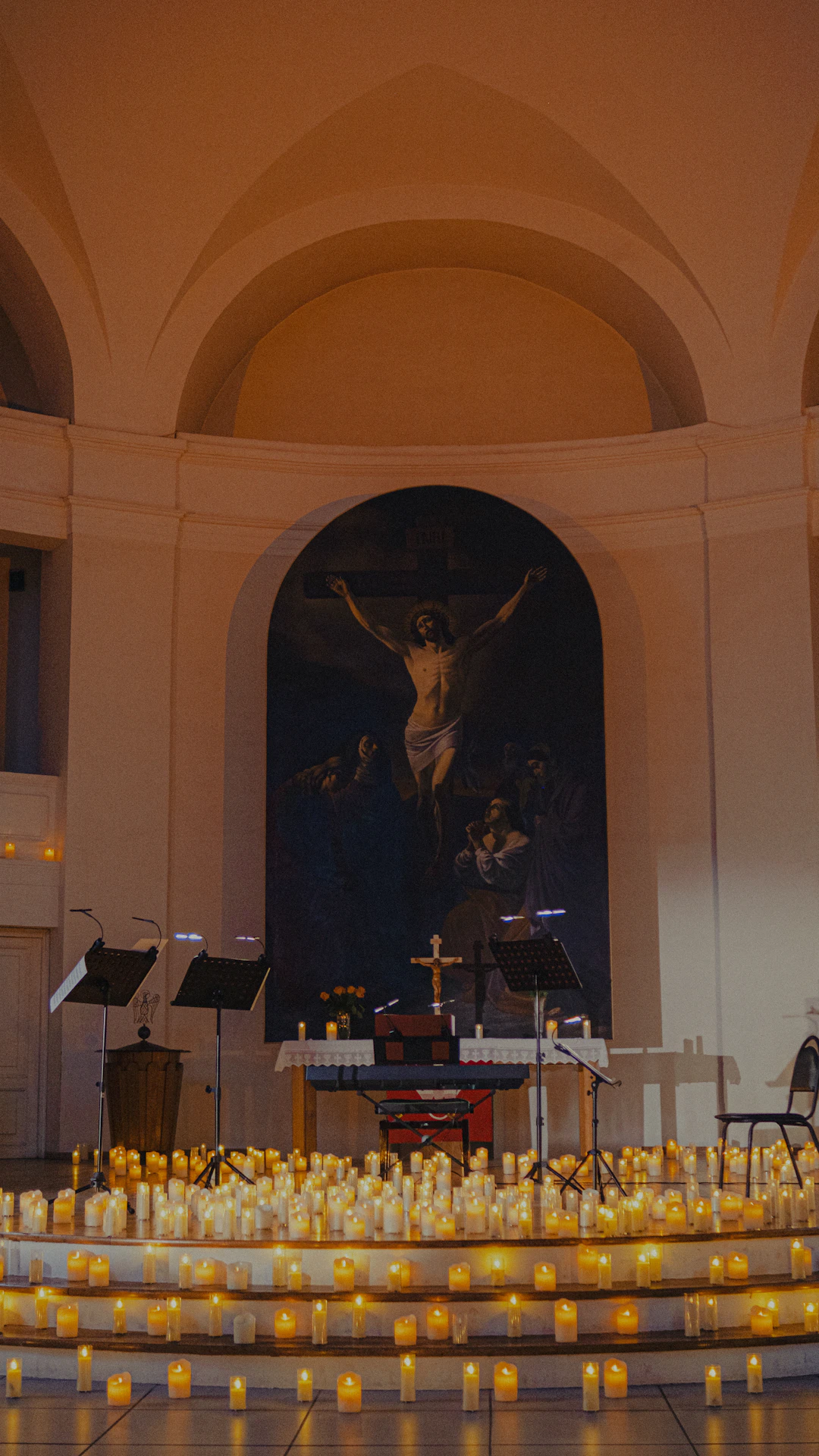
Do you want a blessing to restore peace to your home?


“"The Lord is my shepherd; I shall not want."”
(Psalm 23:1)
The blessing of God's care: when you feel like you're carrying everything alone.
Have you ever had the feeling that you're doing everything... and yet it seems like something is missing?
You wake up, solve problems, run around, work, take care of others, and try to keep your head on straight.
But inside, there's a strange emptiness.
A constant tension.
As if you were always on the verge of failure.
And then comes the question you almost never say out loud:
“"Is God watching?"”
Today, this article is about a blessing that many people need—especially those who are weary:
the blessing of God's care.
A blessing that is not just "beautiful".
It is necessary.
It's that feeling of being supported by something greater, even when life is tough.
The real human problem: why do we feel so alone?
It's not just a lack of people.
Sometimes you have family, friends, work colleagues.
But even so, he feels alone.
Because the weight you carry is not visible.
You carry:
- responsibilities
- accounts
- fear of the future
- difficult decisions
- pressures that nobody understands
- an internal pressure of "I need to cope"“
And that's tiring.
Modern loneliness takes on a different form.
Her name is forced self-sufficiency.
You feel like you can't break down.
It can't stop.
You can't be precise.
But the truth is: you need to.
And there's nothing wrong with that.
The Bible never taught that you have to be strong all the time.
She teaches that God is strong when you can no longer be strong.
Biblical phrase applied to the problem: "The Lord is my shepherd"“
Psalm 23 does not begin with a complicated theological phrase.
It begins with a simple, almost intimate statement:
“"The Lord is my shepherd."”
This changes everything.
Because, if God is a shepherd…
- You don't have to live as if you're lost.
- You don't need to find your own way around.
- You don't need to carry everything aimlessly.
And the rest of the verse completes it:
“"I will lack nothing."”
But here's an important point:
This doesn't mean you'll never go through a crisis.
It means that, even in a crisis, God will not let us lack the essentials.
What is essential?
- sustenance
- direction
- peace
- courage
- hope
- Strength to continue
Historical context: why is Psalm 23 so powerful?
Psalm 23 is attributed to David.
And David didn't write this in a comfortable moment.
He knew what it was:
- war
- persecution
- betrayal
- fear
- loneliness
- escape
- pressure
Before becoming king, David was a shepherd.
He knew the routine of the desert, the dangers, the attacks, the cold nights, the need to lead the herd to water and pasture.
In other words, when he talks about pastors, he's not writing light poetry.
He's talking about a harsh reality.
The pastor was responsible for:
- guide
- protect
- to correct
- to feed
- heal wounds
- rescue lost sheep
And the most beautiful thing is: the shepherd does not abandon the flock.
So when David says:
“"The Lord is my shepherd"”
He is saying:
“"I'm not abandoned. I'm being taken care of."”
This is a blessing.
Why is it so difficult to believe in this kind of care today?
Because modern life trains us to trust in other things.
We trust in:
- wage
- planning
- control
- stability
- performance
- predictability
And when something goes wrong, the ground opens up.
You lose your peace.
You despair.
Because his heart was set on what is unstable.
And then you start to question:
- “"Does God really care?"”
- “"Why am I going through this?"”
- “Why do I feel like I'm alone?”
True faith is not faith that never doubts.
It is faith that endures even with questions.
God's care in anxiety: when you feel things are going to go wrong.
There are days when you're not sad.
You are too connected.
You think of everything.
Everything seems urgent.
His body tenses up.
His heart races.
And the worst part is: you feel that if you don't control everything, everything will fall apart.
That's anxiety.
And anxiety often stems from a deep-seated fear:
“"What if no one takes care of me?"”
Psalm 23 answers this with a phrase:
“"The Lord is my shepherd."”
In other words: someone is taking care of it.
Even when you don't realize it.
Practical reflection
- Have you been living as if you were alone?
- Have you made control a way to survive?
- Can you rest without feeling guilty?
Concrete action
Today, when anxiety strikes, do this simple practice:
- Place your hand on your chest.
- Take three deep breaths.
- Say:
“"God is with me. God takes care of me."”
It may seem small, but it trains your heart.
God's care in times of unemployment and financial insecurity.
Now let's talk about a very real pain point: money.
When money is tight, you don't just lose stability.
You lose confidence.
You lose peace of mind.
You even lose your joy.
Because money affects dignity.
And that's where the guilt comes in:
- “"I should be doing better"”
- “"I failed"”
- “"I am a burden"”
But Psalm 23 doesn't talk about "earning a lot".
He talks about Don't forget the essentials.
And that's important.
God does not promise luxury.
It promises sustenance.
And sustenance is a daily miracle.
Human reflection
- Can you separate your net worth from your income?
- Can you believe that your life didn't end because of a phase?
Concrete action for this week
Choose a simple approach:
- organize your accounts
- cut an expense
- look for an opportunity
- Asking for help without shame
- send resumes
- learn something new
And before each step, pray:
“"Lord, guide my decisions. I don't want to wander lost."”
God's care for emotional wounds: when you are hurting inside.
There are people who are not without money.
He is not unwell.
It is not experiencing an external crisis.
But it's broken inside.
Traumas.
Disappointments.
Rejections.
Words that left a mark.
Blame.
Shame.
And that makes you always live on the defensive.
As if the world were a dangerous place.
And sometimes it is.
But the pastor doesn't just guide. He heals.
Psalm 23 goes on to say that God:
- restores the soul
- leads along straight paths
In other words: God's care is also emotional healing.
Practical reflection
- Have you been hiding too much pain?
- Have you been carrying old wounds as if they were part of your identity?
Concrete action
An attitude for this week:
- Talk to someone you trust.
- Seek help (therapy can also be a blessing).
- Write down what you feel in prayer.
- Stop pretending everything is okay.
God didn't call you to just survive.
He called you to be restored.
How to experience this blessing today (without complicating things)
This is where the practical part comes in.
Because it's not enough to just feel beautiful.
You need to experience this every day.
1) Say a short (and consistent) morning prayer.
Before starting the day:
“Lord, be my shepherd today.
It guides my decisions.
Calm my mind.
It gives me direction and care.
Amen."”
Simple. But powerful.
This could be yours. morning prayer.
2) Say a nightly prayer to surrender control.
Before going to sleep:
“"God, I surrender to you what I haven't been able to resolve.".
Protect me.
Give me a break.
I trust in your care.
Amen."”
This could be yours. evening prayer.
3) Pray the Lord's Prayer as a practice of dependence.
When you pray:
“"Give us this day our daily bread"”
You are training your heart to trust in daily sustenance.
This is spirituality applied to real life.
What to avoid (because it blocks the blessing of care)
If you want to experience God's care, avoid these pitfalls:
- Comparing your life to others' lives
- thinking that asking for help is a sign of weakness.
- to live as if rest were a sin.
- feeding catastrophic thoughts
- transforming faith into performance
- Living in the "what if it goes wrong?" mindset all the time.
The blessing of care does not enter a heart that lives in war.
She enters a heart that chooses to trust—one step at a time.
An attitude for this week: the 7-day care challenge
Here's a perfect idea for a series and for real practice:
7 days experiencing God's care
- Day 1: Morning prayer + Psalm 23
- Day 2: 15-minute walk in silence (without cell phone)
- Day 3: Write down 3 concerns and submit them in prayer.
- Day 4: Practice gratitude for 5 simple things.
- Day 5: Ask for help with something small.
- Day 6: Do something that brings you real rest.
- Day 7: Bless someone with a message of care.
This creates a spiritual routine.
And faith without routine becomes fleeting emotion.
A short prayer for now (very human)
Lord, I am tired.
I've been trying to handle everything on my own.
But I can't anymore.
Be my shepherd.
Guide me.
Protect me.
It gives me peace.
I relinquish control.
I surrender my fears.
I hand over what I don't know how to solve.
Take care of me as only You know how.
Amen.
Conclusion: you don't need to wander around lost.
The blessing of God's care is not a pretty concept.
It's a way of life.
It's about waking up and remembering:
“"I am not alone."”
It's about getting through tough days knowing:
“"I am being guided."”
It's about resting without guilt and thinking:
“"The Lord is my shepherd."”
And that's enough.
Because those who are cared for by God can be tired…
But it's not abandoned.
Content created with Artificial Intelligence Assistance