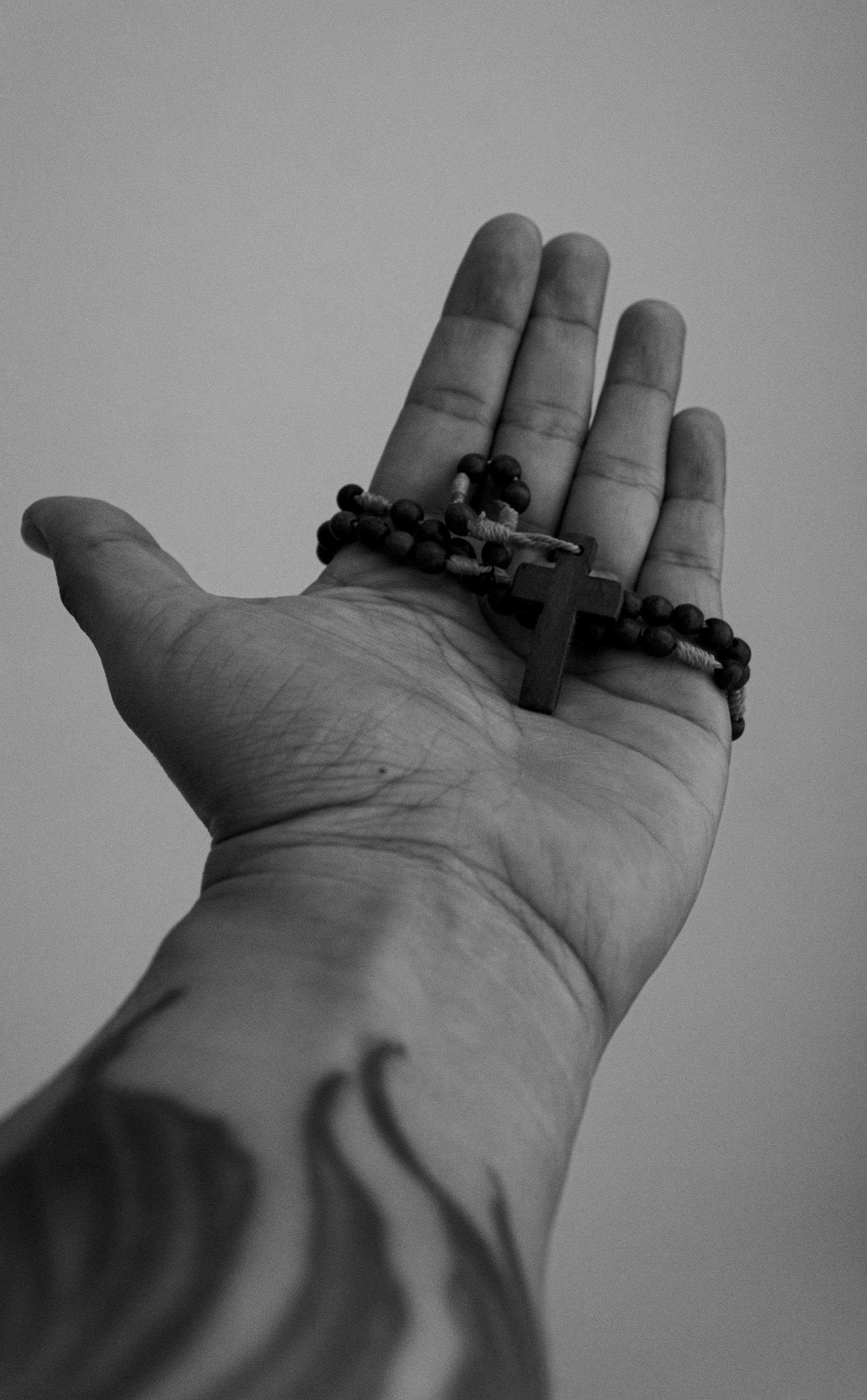
Gospel (Mt 11,28-30): At that time Jesus answered and said, «Come to me, all you who are weary and burdened, and I will give you rest. Take my yoke upon you and learn from me, for I am gentle and humble in heart, and you will find rest for your souls. For my yoke is easy and my burden is light.».
Matthew 11,Verses 28-30 offer a special invitation from Jesus to find relief in his rest. This invitation, present in the liturgy and pastoral work, is made in different languages. He says: “Come to me, all you who are weary and burdened, and I will give you rest.”
In the Gospel of Matthew, this invitation is a promise of welcome and peace. The idea of the yoke being light conveys a message of freedom. Walking with Christ is a relief from the burden that life sometimes imposes.
The meekness of Jesus, mentioned in this text, teaches us to face challenges calmly. This characteristic inspires caring actions that put people first, without judgment.
This passage is often quoted in sermons, especially during Advent, and also in outreach programs. It shows how the Church can be a place of welcome and peace for those who need it most.
The meaning of Jesus' invitation: acceptance and peace.
Jesus calls us in a way that comforts us and helps us understand better. Especially during Advent, this text helps to illuminate our doubts and guide our hearts. He promises rest and gives us strength to serve.
Historical and liturgical context of the text
This text is used in the liturgy to remind us of the coming of the Lord. It shows God's patience with our failings. It is like a light that reveals our true intentions while we wait for God.
In the story, the Gospel of Matthew shows different reactions to what Jesus did. It shows the struggle between the humble and the powerful. This helps us see who truly receives Jesus' message. It speaks to the difference between following rigid rules and accepting the freedom that Jesus offers.
Who are those who are called: a pastoral interpretation
Jesus' invitation is best understood by the simple and humble. He makes a clear distinction between them and those who have power. The simple are those who are most open and ready to follow Jesus.
God reveals himself to those who are humble and simple. His invitation is for everyone, but those with open hearts understand better. The Kingdom of God is for everyone, but it is easier to enter with an open heart.
Welcoming as an act of freedom, not imposition.
Accepting Jesus is a life-changing choice, but it doesn't absolve us of our responsibilities. This acceptance liberates us, gives us dignity, and brings inner peace.
In healthcare and in the community, the welcoming attitude should be unique and respectful of each individual. This is a way of living Christian freedom, serving without forcing anyone.
- Liturgical practice: Advent celebrations that encourage a personal encounter with the promise.
- Pastoral impetus: attention to the sick, poor, and marginalized as a priority in providing care.
- Ethical dimension: Christian freedom as a foundation for relationships that heal and empower.
Reading and exegesis of Matthew 11:28-30
To understand Matthew 11,Verses 28-30 require reading the Latin of the Clementine Vulgate and direct translations. This passage speaks of an invitation, an offer of renewal, and of the yoke. All of this helps to understand the text historically and spiritually.
The Latin saying goes: “Venite ad me omnes qui laboratis et onerati estis et ego reficiam vos.” This means an invitation to all who are weary or burdened. The text implies that there will be a complete renewal for these people.
Then, the phrase “tollite iugum meum super vos et discite a me quia mitis sum et humilis corde” asks us to learn from whoever makes this invitation. The idea is to learn to be kind and humble. Jesus, as a teacher, teaches this by example.
With “inventietis requiem animabus vestris”, the text promises us rest for the soul. The next part, “iugum enim meum suave est et onus meum leve”, reinforces that the yoke offered is light. This contrasts with the heavy yoke that the Pharisees interpreted from the Law.
The analysis details each part of the text in Latin and Portuguese. It shows the tension between authority and care. The choice of words in the Vulgate helps to better understand its meaning for the community.
When discussing parallels with Luke, we observe similarities such as praise for the Father. These texts help us understand what is special about Matthew. Verses 11, 28-30 are unique to Matthew, indicating a distinct theological tradition and intention.
Comparing it with other Gospels reveals important differences. Luke values humility for divine revelation. Matthew, on the other hand, uses the yoke as an image of teaching and freedom, speaking about what it means to be a disciple.
When we talk about theology, precision is fundamental. The yoke is about learning to live the faith, not about harsh rules. Meekness is a gentle strength. It shows balance between power and gentleness.
Rest is about reviving the dignity of the human being. This affects how we care for the health of the soul. A light yoke is shown in acts of care that unite emotion, relationships, and spirituality.
- Exegesis sentence by sentence: venite, laboratis et onerati, ego reficiam vos.
- Analysis of the Vulgate text: lexical choices and liturgical effect.
- Parallels between Lucas: narrative similarities and differences.
- Light yoke explained: discipleship as a liberating path.
- Meekness in theology: an ethical practice that reconstructs subjectivity.
Practical applications for personal and community life.
Jesus' invitation in Matthew 11,28-30 inspires us to adopt habits that improve our daily lives. It shows how small actions can lighten our hearts and improve our relationships. Here are some tips for being more present, compassionate, and committed.
How to find inner peace through spiritual practice.
A silent retreat can help us connect better with our faith. Participating in weekend retreats focused on meditative reading brings us discernment.
Adopting spiritual practices, such as daily reflection and prayer, soothes our spirit. True rest comes from connecting with oneself, illuminating our choices.
- Moments of silence and scripture reading in our daily routine.
- Join spiritual groups or seek spiritual guidance for support.
- A personal pause ritual before making big decisions.
Welcoming within the family and the ecclesial community
A welcoming family creates a light and peaceful environment. Simple daily rhythms, like household rituals, reinforce our sense of security.
It's important that our communities are inclusive and focused on those in need. Practicing active listening and making regular visits helps to create strong bonds.
- Organize family meetings that focus on listening and mending relationships.
- Set up parish visitation groups for the elderly and sick.
- Design simple celebrations that include everyone, especially the marginalized.
Impulses for social action and care for the poor
The Church acts as a refuge when it initiates aid projects. Shelters, assistance to the sick, and volunteering demonstrate our response to the call to help.
Our social work should combine direct aid with efforts to influence public policy. Such initiatives reflect care for those in need and follow the teachings of Pope Francis.
- Parish programs for visiting and supporting the ill.
- Volunteer networks for home care and temporary shelters.
- Campaigns for universal health access and human life defense.
Matthew 11:28-30: Pastoral and health implications
Jesus' invitation speaks of a light yoke, a guideline for caring for others. In the area of health, this suggests care that combines technique with sensitivity. Pope Francis emphasized that the sick seek not only medical care, but also attention to their emotional and spiritual needs.
Welcoming the sick and the pastoral dimension
Caring for the sick requires careful listening. It's important to see the person behind the illness. It's also vital to offer support that alleviates emotional suffering and strengthens family ties.
The role of healthcare professionals and volunteers
Healthcare workers must prioritize the individual before the illness. They have a duty to uphold human dignity. They must also be open to the deeper dimensions of the human being.
Volunteers bring extra humanity to hospitals. Collaborations between churches and healthcare organizations improve the care provided.
The Church as an “inn” of the Good Samaritan
The Church should be a place of refuge and support. It can provide rest, counseling, and referrals to medical services. This is essential in areas affected by conflict or poverty.
- To promote the training of volunteers motivated by compassion.
- To establish networks with hospitals and social services to assist vulnerable populations.
- Celebrating pastoral initiatives on World Day of the Sick as a form of community encouragement.
Through these initiatives, pastoral care for health promotes dignity and hope. It is a way of caring for the body, mind, and spirit together.
Relationship with other biblical texts and liturgical traditions
This text creates links between the Gospel of Matthew and other sacred scriptures. It shows how reading Matthew alongside them enriches the message of Jesus, especially regarding the humility and spiritual rest that Jesus offers.
Connections with Zechariah and the message of the humble
Zechariah 9:9-10 speaks of a righteous king who arrives simply, riding on a donkey. Matthew takes up this image again. It shows a way of salvation that is free from violence.
This connection between Zechariah and Matthew points to God's love for the humble. It shows that God chooses to act through the least among us, changing the common order of power.
Intersections with Pauline theology
Paul's letters, such as the one to the Romans, discuss life in the Spirit. They show that living spiritually is a way to break free from human limitations. This idea helps us understand what Jesus means by "rest.".
Paul explains that resting in Christ isn't just about stopping hard work. It's more about living in a new way, through the Spirit.
Use in liturgy and celebrations (Advent, Sunday)
The passage from Matthew 11:28-30 is very important in the Advent liturgy. It asks us to prepare ourselves inwardly and wait for the Lord with confidence.
This passage is also read at Sunday Mass. It reminds everyone of God's free salvation and special care for the poor. The psalm that is read alongside it emphasizes God's mercy.
- Advent: a text as an invitation to inner conversion and vigilance.
- Sunday: emphasis on welcoming the "little ones" and on messianic peace.
- Pastoral practice: integrate Zechariah and Paul's letters into homilies to demonstrate theological unity.
Thus, the combination of the messages of Zechariah and Matthew, the teachings of Paul, and the liturgy of Advent reveal a profound harmony. They emphasize the importance of humility, the action of the Spirit, and acceptance. Together, they form the heart of the message of peace and rest that Jesus promises.
Conclusion
Matthew 11:28-30 speaks of a special invitation. This invitation offers inner peace and teaches us to live with kindness. It also shows a different path, one that transforms our burdens. Jesus wants to help us carry our burdens without feeling guilty. In this way, our daily efforts gain more meaning.
From a theological perspective, this calling connects with ancient prophecies and living according to the Spirit. It was designed for everyone, encouraging a humble and simple life. This way of living links belief with daily life.
In practice, the message suggests specific actions. It asks that the Church be a welcoming place, like the inn of the Good Samaritan. Healthcare professionals should care for others completely. Furthermore, it advocates for policies that care for everyone with dignity. Matthew 11:28-30 calls us to be welcoming and liberating.
This teaching is not just for reflection, but for action. Meekness should be our strength. It should inspire us to do good, care for others, and protect life. Thus, the text goes beyond consolation. It becomes a call to improve the community and society.
Content created with Artificial Intelligence Assistance