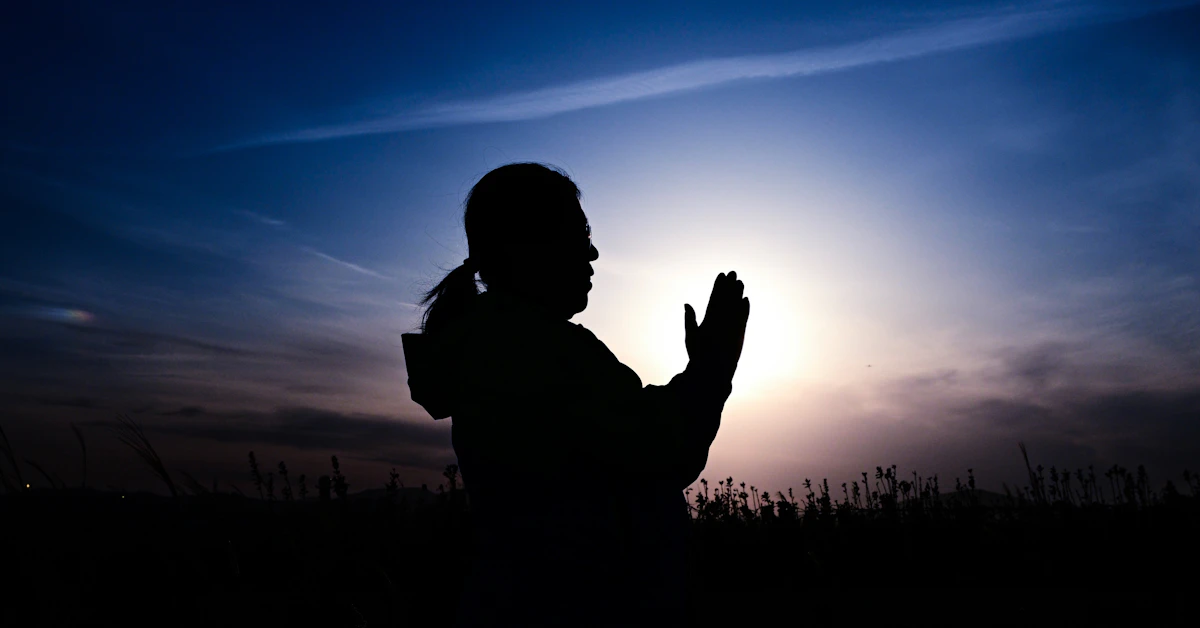
The text of Matthew 4,Verses 12-17, 23-25 mark an important moment in the Gospel. When Jesus learned that John the Baptist had been arrested, he went to Capernaum. This fulfilled Isaiah's prophecy about the arrival of a light in the darkness. It makes us think about faith and life transformation, showing the preaching of the Kingdom and the miracles of healing.
By changing locations, Jesus wanted to be close to many people, including Jews and non-Jews. His message, "Repent, for the kingdom of heaven is at hand," calls for personal transformation and a commitment to others. This means thinking and acting differently, seeking justice.
In the liturgy, light symbolizes God's presence among us. This part of the Bible emphasizes that having faith means truly changing. It means being open to what God says, caring for those who are left out, and joining others to live the message of the Kingdom.
Historical and geographical context of the biblical text
The account in Matthew shows a key moment in time and space. The capture of John the Baptist begins a new chapter in Jesus' mission. This event happens before Jesus begins his work among the people. It shows why Jesus became known in Galilee.
The imprisonment of John the Baptist and the beginning of Jesus' ministry.
With John's arrest, Jesus begins to reveal himself to the public. He now preaches, teaches, and heals more. John's arrest points to the fulfillment of scripture. Jesus focuses on the communities near the Sea of Galilee.
The move from Nazareth to Capernaum: geographical significance
Jesus leaves Nazareth and goes to live in Capernaum, on the coast of Galilee. He chooses Capernaum because it is a place with more people. There, he could have a greater impact. Living in Capernaum meant being close to many different kinds of people. This allowed Jesus to help many, in a practical and welcoming way.
The regions of Zebulun and Naphtali and the reference to the Gentiles.
The reference to Zebulun and Naphtali places Jesus' work in border regions. These are known as Galilee of the Gentiles. This shows the mixture of cultures and non-Jewish people there. The location of these regions highlights an important message from Isaiah and points to a mission that goes beyond the Jewish people.
- The arrest of John the Baptist serves as a historical turning point.
- The move from Nazareth to Capernaum was aimed at providing access to a higher population density.
- Zebulon and Naftali evoke a borderland setting, open to various peoples.
The historical and geographical details help us understand Jesus' public ministry. The setting of Galilee of the Gentiles reveals Jesus' desire to reach many people. This includes preaching and performing acts of healing and inclusion.
Matthew 4:12-17, 23-25
In Matthew 4, In this passage, we find a rich analysis. It blends historical facts, prophetic predictions, and a summary of Jesus' work. The text discusses how Jesus left Nazareth and went to Capernaum. It also mentions a quote from Isaiah and begins preaching about the need for a change of life.
Reading of the passage: key verses and literary structure
The important verses show two things: what happened and why it is important. First, they narrate about a specific place. Then, they quote Isaiah and speak of the importance of changing one's life.
The written portion is organized into four parts: the historical context, the allusion to Isaiah, the preaching to the public, and a summary of Jesus' actions. This structure helps to better understand the sacred text.
Connection to Isaiah's prophecy and messianic fulfillment
The quotation from Isaiah 9:1-2 acts as a bridge between a promise made long ago and its fulfillment. This shows that the arrival of Jesus brings light to the two regions mentioned.
This connection shows how the Old Testament foresaw the coming of Jesus. The quote affirms that Jesus is the promised Messiah and links the ancient promise with his current actions.
Key phrases: "Repent" and "the Kingdom of Heaven is near"“
The main message is in these two phrases. “Repent” is an invitation for people to change from within, because of the newness that Jesus brought.
The phrase about the Kingdom of Heaven summarizes the new state of affairs brought about by Jesus. It shows a way of life that is in harmony with God's rule. The change of life is seen as essential in light of what Christ has already done.
A message of faith: the light that breaks through the darkness.
Matthew's text depicts a people in darkness seeing a great light. This image brings hope and makes us think about Jesus revealing important things. It shows how faith can change people and communities.
Theological interpretation of "the people who sat in darkness have seen a great light"“
Egídio Serpa speaks of the verse as a way to understand people's lives—in the darkness of error, fear, and death—and shows a promise of freedom. He says that this light represents the mission of bringing healing and relief to those who suffer.
When we compare Isaiah and Matthew, light is a sign of God making himself present. This idea tells us that the message is not only one of comfort, but also an invitation to act differently.
The incarnation as the presence of divine light.
The tradition of John and daily prayers speak of the incarnation as God bringing light to the world. To see Jesus as that light is to understand that salvation came into our lives through his life, death, and return to life.
This idea shows the light working where we can and cannot see it, and calls people to live together in a new way. It says that God is truly among us.
Spiritual implications: awakening of consciousness and hope.
Light awakens us to a different life. Changing thoughts and attitudes, writing laws of goodness in our hearts, and practicing compassion are all part of that.
For those going through difficult times, this light brings reasons to hope and pray more fully. To live in this light is to transform oneself from within, to help those in need, and to fight for a more just world.
- Inner awakening: recognizing one's own fragility and seeking repentance.
- Community commitment: welcoming marginalized people as an expression of faith.
- Sacramental life: celebrations that recall the incarnation and renew the sense of mission.
The Call to Conversion: Pastoral and Existential Meaning
The call to conversion in Matthew is an invitation to change our lives. It affects our thoughts, feelings, and how we relate to others. In practice, it is necessary to find real ways for faith to inspire new attitudes.
Conversion as a change in mindset and behavior.
The journey of conversion begins by reviewing what is most important to us. It guides us to let go of selfishness and live more simply. This path includes spiritual practices, self-evaluation, and the search for healing our inner wounds.
Community and individual conversion in the biblical tradition
The Bible speaks of conversion on both a personal and communal level. Jeremiah and Acts teach us that repentance is linked to community life and the forgiveness of sins. Conversion also calls for communities to celebrate change and create supportive environments.
Practical examples of conversion today: inner healing and social transformation.
Conversion manifests itself in specific actions. Activities such as listening, supporting, and counseling help in emotional healing. Initiatives in underprivileged areas, coordinated by parishes and civic groups, promote compassion and change.
- Providing care to victims of violence as a space for inner healing.
- Inclusion projects that combine material care and ethical training.
- Local social justice policies driven by faith communities.
In the field of pastoral care, conversion is synonymous with ethics and social responsibility. Social changes are proof that the Kingdom is being shared and lived among those who need it most.
Healing and the proclamation of the Kingdom: compassion, inclusion, and universality.
The healings performed by Jesus marked an important moment. They showed the beginning of his work helping others. People with different health problems sought his help. This showed that Jesus wanted to help those who needed it most.
These healings were not just simple miracles. They changed people's lives in many ways. The church sees these actions as a sign that God wants to improve everything in people's lives.
Many people from different places sought out Jesus. They came from areas like Galilee and Jerusalem. This shows that Jesus' message was for everyone, without limits.
Jesus made a point of helping those who were outside of society. He welcomed everyone, regardless of their background. This shows how he wanted to bring everyone together, leaving no one out.
To better understand this, we can look at three important points:
- Jesus showed that he cared about people, looking after their health and their spirits.
- His actions were an invitation to believe and change one's life, proving the power of his teaching.
- He showed that God's message is for everyone, uniting different people.
Jesus' actions show that his teaching was about more than just words. The participation of many and the welcoming of the ignored reveal a new life. The church today can follow this example to better help people.
Pastoral and liturgical applications for Brazilian communities
Matthew's words speak of light and conversion, important for those involved in pastoral work. They guide community action, integrating faith and service within communities. This fosters mutual care and the celebration of faith.
To create a homily that touches the heart, focus on actions that demonstrate God's love. It is essential to invite personal transformation and care for others. Use real stories and teachings from the Bible to bring it closer to people's lives.
-
The structure of a sermon can begin with a Bible reading, followed by a simple explanation. Then, call for conversion and suggest how to act in community.
-
Include thought-provoking questions, talk about personal growth, and encourage forgiveness. These are key points.
In celebrations, highlight the Light that changes people's lives. The liturgy should unite prayer and action, promoting rituals that inspire unity, acceptance, and devotion.
-
For rituals that unite the community, consider blessings for the sick and moments of reflection on shortcomings. Also include prayers that seek continuous improvement.
-
Devotional practices may include themed celebrations, readings focused on... Matthew 4. And prayers that speak of the birth of Jesus.
Welcoming is essential in communities. Environments that listen, home visits, and support groups help everyone feel included. These actions demonstrate love for one's neighbor in practice.
-
To provide support, create groups to visit the sick, offer help with conversation, and offer spiritual guidance to those who need it.
-
Community building is important. Promote courses on caregiving and how to have faith-based compassion.
Caring for the sick is a duty of the church. Add special prayers to Masses and promote prayer meetings. Being with those who suffer shows the love of the Gospel in reality.
Charitable campaigns help people to live the Gospel actively. They connect religious teachings, social actions, and rituals. In this way, faith manifests itself in concrete actions of justice and inclusion.
Readings and prayers on "The Light that changes the darkness" are good guides for the celebrations. Choose passages from Matthew 4. Call the community to be a light everywhere, bringing hope and health.
Conclusion
This conclusion refers to a passage from Matthew 4:12-17, 23-25. It shows Jesus fulfilling prophecies and showing the way to the nations. He calls people to a change of heart and actions, through healings and accepting everyone.
The text shows that following Jesus means changing from within and helping others. Jesus' mission brought forgiveness and acceptance, calling for a transformed community. This transformation prepares for a promising future.
The message is clear: faith practices include celebrations and caring for those in need. This means living in a way that reflects goodness in everyday life. We must be examples of hope, in our families and in society, showing the love of Christ.
Therefore, having faith means acting according to love and justice. We are expected to live this message every day. This summary encourages us to live in a way that shows the light of Christ to the world.
Content created with Artificial Intelligence Assistance