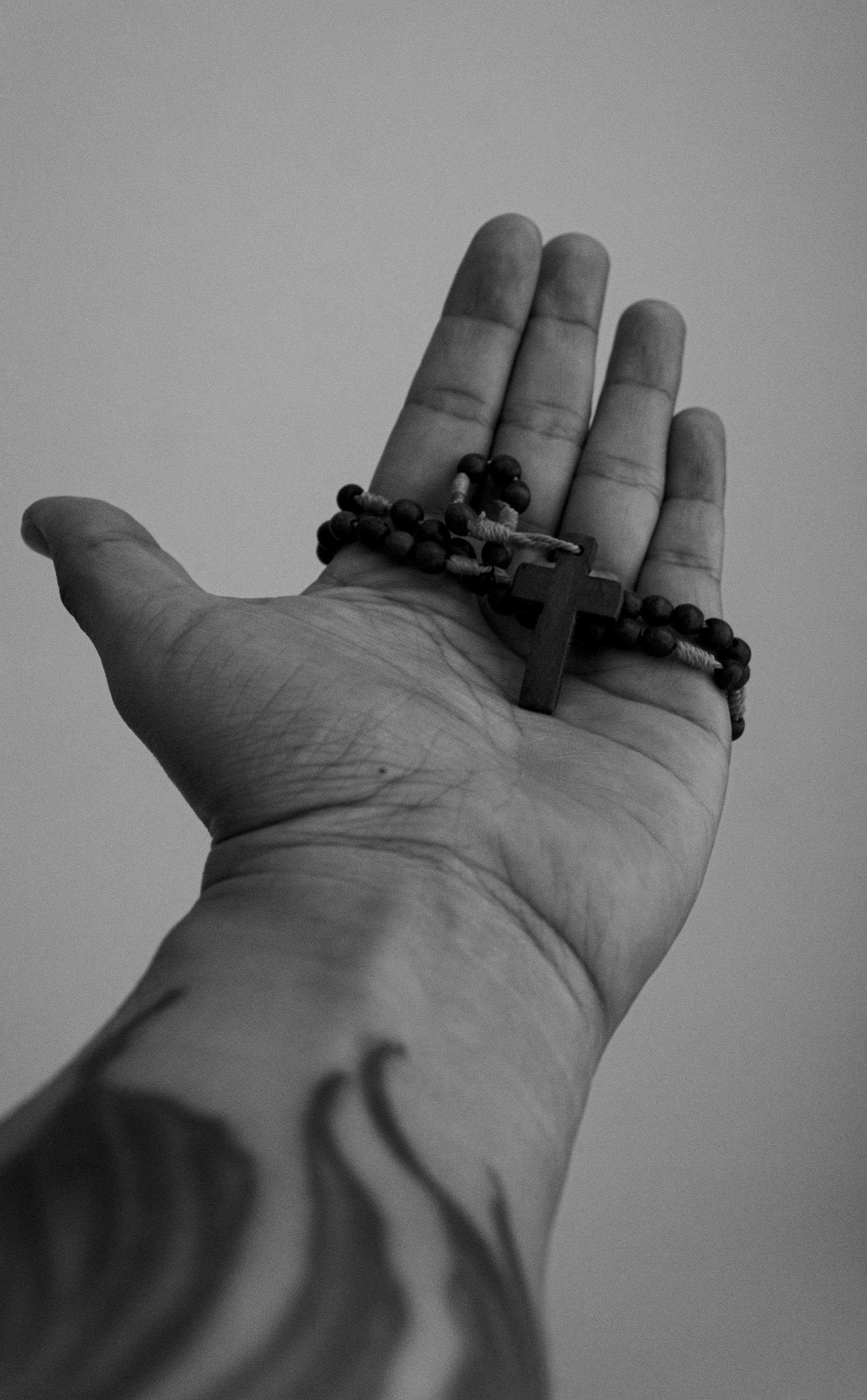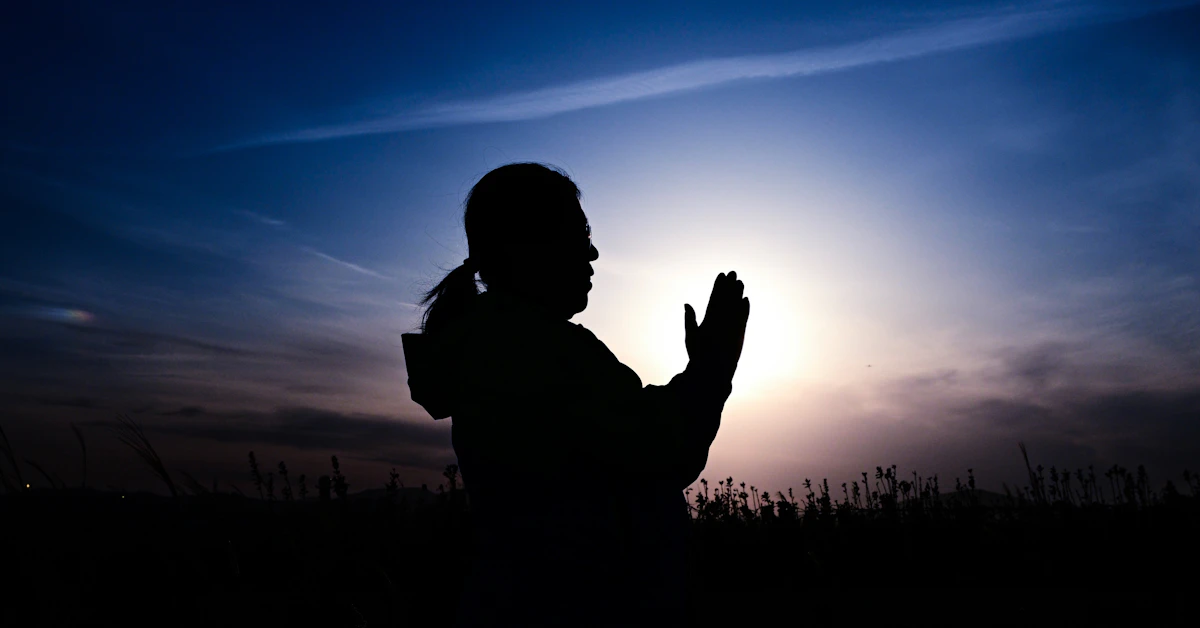
Gospel (Mc 4,21-25): Jesus said to them, «Is a lamp brought in to be put under a basket or under a bed? Instead, isn’t it put on a lampstand? For there is nothing hidden that will not be disclosed, and nothing concealed that will not be brought to light. Whoever has ears to hear, let them hear!»
Jesus said to them, «Consider carefully what you hear! With the measure you use, it will be measured to you, and even more will be added to you. Whoever has will be given more; whoever does not have, even what they have will be taken from them.».
In this text, we explore Mark 4,21-25, also known as the Parable of the Lamp. This teaching is part of Gospel of Mark. It is related to the parable of the sower and other messages about... Kingdom of God. When we understand these words, we see that light signifies exposure and life. Those who receive the Word of God grow spiritually.
We want to present an explanation that connects the past, in-depth analysis, and everyday use. The story of the lamp shows that Jesus speaks about demonstrating our faith. The lamp is placed high to illuminate everyone in the house. This concept is similar to the teaching in Matthew, where Jesus' followers are called to be light to the world. This highlights the importance of publicly showing our faith.
In this series, we will explain how Mark organizes his teachings. We will see how... Mark 4,21-25 This connects with the idea of the Word being like a seed that grows. Our goal is to touch the hearts of Christians and those interested in the Bible throughout Brazil. We desire that the truths of Christ show a real impact on the community and on individual lives.
Introduction to the passage Mark 4:21-25 and its evangelical context.
Mark 4,21-25 It is fundamental in Gospel of Mark, bringing clear and thought-provoking lessons. It serves as a link between the Parable of the Sower and the stories that follow. It demonstrates how revelation and light influence the destiny of the words heard.
Location in the Gospel of Mark
This passage from Mark shows teachings also found in Matthew and Luke. It comes right after the Parable of the Sower. This shows that Mark intentionally structured Jesus' teachings to guide his readers.
Connection to the Parable of the Sower and literary sequence
A Parable of the Lamp This illustrates the impact of the Word on receptive hearts. Mark 4:21-25 connects with the growing seed and the mustard seed. Together, these parables outline how the Kingdom should be welcomed, grow, and be seen.
Purpose of this reflection and target audience
Our focus is to explore Mark 4:21-25 within the context of the Gospel. We aim to show its connections to other texts and aid in its understanding. It is intended for those seeking depth in their religious studies or practices. The teachings here are useful for preaching and spiritual life.
Historical and cultural significance of the oil lamp and the candle holder.
In first-century Jewish and Greek homes, the oil lamp was fundamental. Made of clay, it used oil and a wick for lighting. It was essential at night for family tasks and rituals.
The flame of the oil lamp in Jesus' time was precious. Using oil and a wick, the light was soft but required attention. Werner Kaschel and Rudi Zimmer say it was like an "LED" of ancient times.
A lampstand held the lamp upright, spreading the light throughout the room. This made everything visible, demonstrating the importance of not hiding the light. The lampstand represented visibility and a moral role in the home and community.
In practice, this meant showing good deeds to everyone. The tall lamp illuminated everyone equally. This shows how following Jesus becomes a living testimony.
In the texts of Matthew, Luke, and John, metaphor is used in different ways. Matthew speaks of showing the light as a testimony. John says that Christ is the Light of the World. Luke associates the idea with the proclamation of the gospel and healings.
The metaphor of the lamp teaches about the missionary purpose of its followers. With the lamp on the lampstand, the idea of visibility and service to others is emphasized.
Detailed reading of Mark 4:21-25
This part of the Bible is very important to understand. It talks about how a small light is connected to the seed and to what God says in the book of Mark. By studying Mark 4:21-25, we see the power of light, whether hidden or not, in people and in the group.
Step-by-step instructions are provided to help with reading and discussing these verses.
1. “Does the lamp perhaps come…?”
Marco begins with a thought-provoking question. He says that we don't hide the light. It should be placed high up to illuminate everything around it. This shows us that God's message should be shared with everyone.
The small light in the story represents Jesus and what the Bible teaches. Those who listen to what God says should show this light to others. Other texts, such as John 1:4-5 and 1 John 1:5-7, say that this light is stronger than darkness and helps us to see life with God.
2. "There is nothing hidden that will not be revealed."“
This passage speaks about how everything that is hidden will be revealed. Everything we do or think will be exposed by the light. Looking at Mark 4:21-25, we understand that being sincere comes from listening to and living what God tells us.
The text says that we should be careful with our actions. As we judge others, so we will be judged. It asks us to live according to what we believe, uniting faith and actions.
3. A call to listen: "If anyone has ears to hear, let them hear."“
This final part calls for our attention. Having ears here means being ready to follow what is right. Mark wants us to respond to what he is saying.
From verse 23 to 25, he links listening to what we reap: whoever follows the teaching will grow; whoever ignores it will lose. Studying Mark 4:21-25, we see how listening well brings both fruit and responsibility.
- Auditing one's own life in the light of the Word brings about transformation.
- Valuing transparency strengthens community witness.
- Practicing active listening yields lasting spiritual fruit.
Theological dimensions: light, revelation, and the Kingdom of God.
The story of the lamp in Mark helps us reflect on the light of Christ in the world. It shows how this light interacts with people's mission and the revelation that grows over time.
Christ as the Light of the World and the Word as the illuminating seed.
Christ is the Light that overcomes darkness, John teaches us. His Word, like a seed, sprouts in the heart and illuminates from within. When Jesus changes our way of being, the light spreads through what we do and say.
Progressive revelation of the Kingdom and the role of the Church
O Gospel of Mark speaks of a Kingdom of God that grows hidden. This revelation happens little by little, through preaching, learning, and living in community. The church helps to show this light, making a difference with justice and love.
Paradox: light that reveals both grace and judgment.
God's light brings healing and at the same time shows us our mistakes. It announces good things, such as repentance and mercy, but it can also reveal the darkness that leads to judgment. This challenges us to live sincerely, embracing grace and being merciful by following what we have learned.
- A theology of light It links incarnation, Word, and mission: Christ brings clarity where there was confusion.
- O Kingdom of God Advance through persistent sowing; listening and obeying increases the harvest.
- Judgment and grace They coexist as effects of revelation; the church responds with repentance and compassion.
Practical implications for the disciple today
The disciple is invited to demonstrate the Word he has received. This requires simple but firm actions that show faith in practice. In this way, Christianity is lived out in a real way, touching lives and communities.
Your actions speak volumes about your faith. Helping at home or at work already makes a big difference. Seeking recognition is not necessary. What matters is being true to your faith, letting the message shine through your behavior.
- How to place the lamp on the lamp of daily life
Make service a habit. Help with community initiatives, lend a hand to those in need, and be there during difficult times. These actions make a difference, illuminating faith through concrete deeds.
- Listen and bear fruit: spiritual discipline, Bible reading, and obedience.
Being in tune with the Word requires discipline. Reading the Bible, meditating, and praying help the seed of faith grow. Putting this into practice every day bears fruit in attitudes and choices.
- Measuring generosity and mercy: relational and ethical practice.
Being generous is about consistency, more than making grand gestures. Being merciful is about forgiving and supporting, choosing to act with compassion. Let kindness guide what you do and say.
Being a good disciple means knowing how to use what we have well and being ready for more. Growing in faith doesn't happen by chance, but through dedication to what has been received. Self-analysis helps to see where to improve.
Adopt practices such as daily prayer, participating in Bible study groups, doing volunteer work, and always checking if your actions reflect your beliefs. In this way, Christian living becomes a clear example of Kingdom love, bearing fruit and spreading affection throughout the community.
Pastoral and community applications
The passage calls for leaders to make a difference through genuine actions. It suggests that we care for one another and show our faith for all to see.
In discipleship, it is vital to motivate active involvement. It's about encouraging personal growth and service as leaders.
- We must create clear pathways for spiritual growth and practical results.
- It is good to offer training and studies that prepare people to lead with humility.
- When someone shows dedication, we should give them opportunities to lead, demonstrating that we value their effort.
Honesty and ethical behavior are crucial in the Christian community.
- We must have clear rules to keep everyone honest and preserve trust in the church.
- It is important to teach leadership to act justly, always remembering mercy and biblical truth.
- We also need spaces where everyone can speak, be evaluated, and reconcile, while maintaining everyone's trust.
It is essential that the Word of God be seen and heard by all.
- Organizing worship services that focus on the Bible helps everyone learn more.
- We should encourage people to share their stories and get involved in social action.
- To make programs that show the Christian leadership Being active in the community is very important.
Specific suggestions for improvement
- It's good to create courses that blend theory, practice, and feedback.
- We should offer opportunities for people to demonstrate their leadership and exchange experiences.
- Adopting clear honesty policies helps strengthen our mutual trust.
- Maintaining a plan for Bible teachings that includes various types of activities helps in our growth.
These actions help connect learning to the mission of the church. When we lead with integrity and share God's Word, we fulfill our role in society.
Conclusion
As we finish reading this text, we see that Mark 4:21-25 speaks about how the Word should illuminate and transform. It teaches us that, by listening to and applying the Word, its light spreads to many. It makes us think: how intensely do we desire to see God's light shine within us?
The scriptures, along with the words of Jeremiah, show that we must actively seek God and obey Him. If we do not value His teaching, we will not grow. If we do value it, He will give us even more. It is a call for each of us to be truthful and clear in our actions within the community.
In the life of the church, being a bright lamp means being faithful, upright, and dedicated to the mission. According to Mark, the Kingdom of God is expanding, and the light should not be hidden. As we live by hearing and acting according to the Word, we produce fruit. May the church visibly display the Word of God, for His glory and the growth of His Kingdom, acting with mercy and justice.
Content created with Artificial Intelligence Assistance