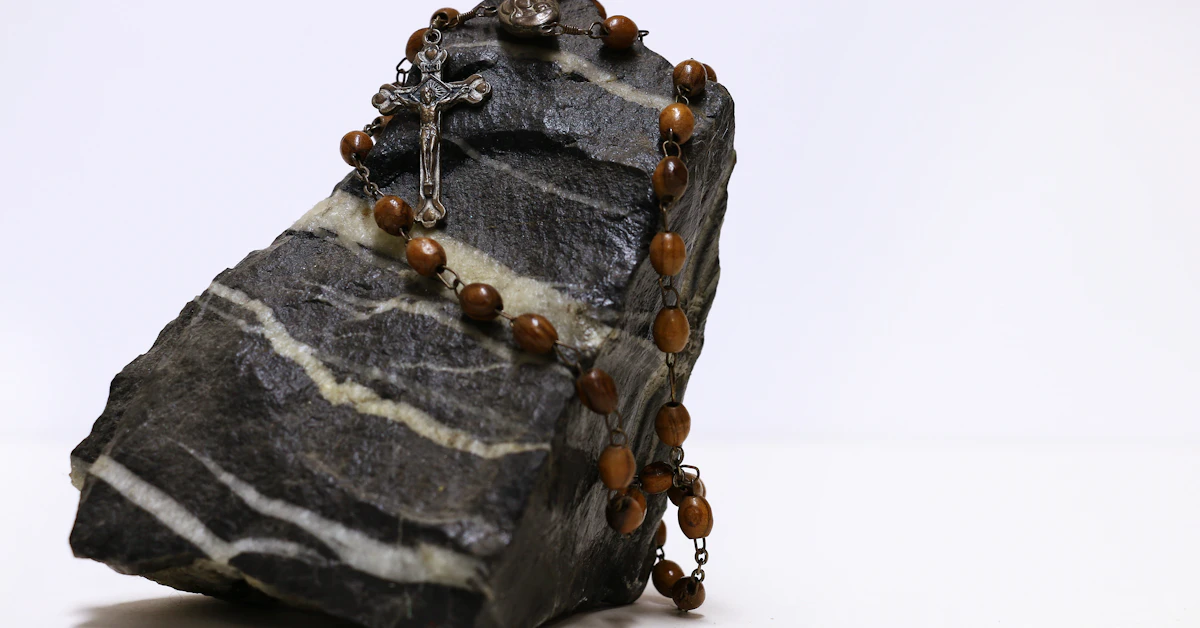
The Gospel (Lc 13,1-9): Now there were some present at that time who told Jesus about the Galileans whose blood Pilate had mixed with their sacrifices. Jesus answered, “Do you think that these Galileans were worse sinners than all the others because they suffered this way? I’m telling you no. I tell you, no! But unless you repent, you too will all perish. And those eighteen who died when the tower in Siloam fell on them? Do you think they were more guilty than any other inhabitants of Jerusalem? I’m telling you no. I tell you, no! But unless you repent, you too will all perish.
He told this parable: “A man had a fig tree, planted in his vineyard. He went there looking for figs and found none. So he said to the man who took care of the vineyard, ‘For three years now I’ve been coming to look for fruit on this fig tree and haven’t found any. Cut it off! Why are you uselessly occupying the land? He. , but, She said: “O my Lord, Leave her this year. I’ll dig around and fertilize it. It might come to fruition. If not, then cut it off.
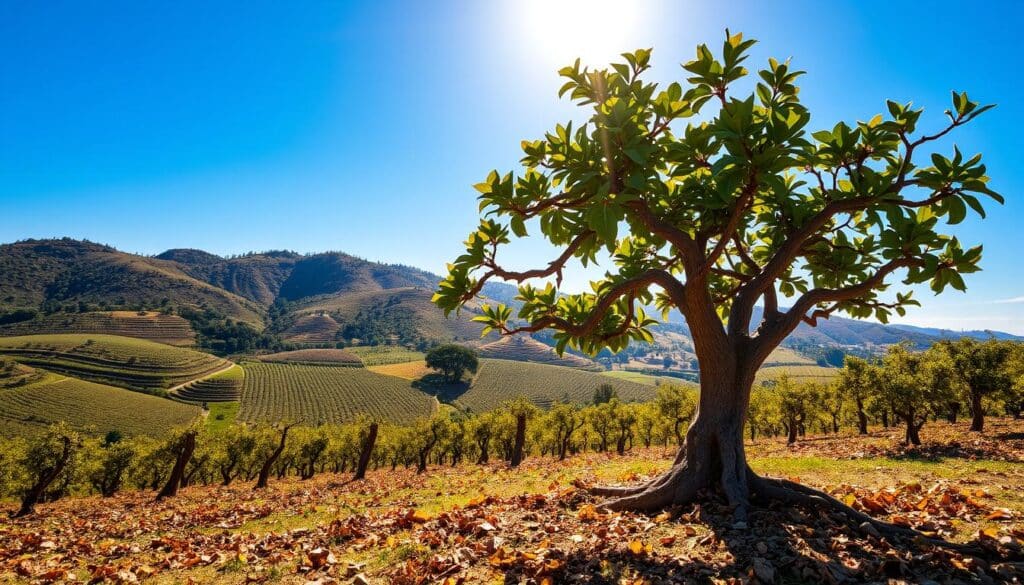
THE The Parable of the Fig Tree It’s a very important story told by Jesus. She’s in Luke the 13th:6-9. This parable shows the the patient kindness of God and how crucial the Regret.
Jesus account that a fig tree It did not bear fruit and was about to be cut down. But the caretaker of fig tree Gave him another chance. This symbolizes the Divine mercy.
THE The Parable of the Fig Tree It teaches us the importance of producing Fruits of the Spirit. It also shows the need to repent. In this article, we will look at the Biblical meaning of this parable and how to apply it in our lives.
The Message of the Fig Tree Parable
Jesus He told the The Parable of the Fig Tree to show the importance of producing good fruit. He also showed the mercy of Oh my God in giving people a chance to repent.
Overview of the Narrative
THE The Parable of the Fig Tree is in Luke the 13th,1-9. It was told by Jesus during His ministry. Jesus was on his way to Jerusalem when he told this story.
The story tells of a fig tree It did not bear fruit for three years. But the owner of the vineyard gave the fig tree an extra chance. He asked the vinedresser to tend the fig tree for another year.
Significance in Jesus’ Ministry
THE The Parable of the Fig Tree taught about the Kingdom of Oh my God and the importance of repentance. Jesus used many parables to explain these concepts.
The moment it was told
Jesus told the parable of the fig tree on his way to Jerusalem. This context made Jesus’ message all the more urgent.
The original audience
THE original hearing They were well-versed in the Scriptures and Jewish culture. This made the parable very relevant to them.
Highlights From the Illustration of the Fig Tree:
- The fig tree symbolizes those who do not produce Fruits of the Spirit.
- The owner of the vineyard represents Oh my God, Who is forbearing and merciful.
- The vinedresser is Jesus or the religious leaders who help people to repent.
The Historical and Cultural Background
To understand the parable of the fig tree, it is crucial to know historical context and cultural. Jesus said it at a specific time.
THE Palestine in the First Century was under Roman rule. This period was filled with political and religious tensions. Pontius Pilate, The governor of Judea, was known for his severity. This is confirmed by the historian Flavius Josephus.
Political and Religious Situation in First-Century Palestine
The Roman occupation greatly affected Jewish society. There was tension between those who wanted political freedom and those seeking spiritual renewal.
The Tragic Events Mentioned at the Beginning
Luke the 13th Speaks of two tragic events. One was the massacre of Galileans by Pilate. The other was the fall of the tower of Siloam.
The Incident of the Galileans Killed by Pilate
This massacre was probably a revolt against the Romans. It shows the tension between Jews and the occupying government.
The Fall of the Tower of Siloam
The tower in Siloam fell, killing eighteen people. It was seen as divine punishment.
These events set the scene for his parable of the fig tree. It emphasises the importance of: Regret and spiritual reflection.
A Scriptural Consideration of Luke 13,1-9
The analysis of Luke 13,1-9 shows the depth of the fig tree parable. Let’s explore the literary elements and key words. This helps us to understand Jesus’ message better.
Structure and literary elements of the text
The parable of the fig tree mixes judgment and mercy. The fig tree is a key symbol to understanding the parable.
- The fig tree symbolizes God’s people or Israel.
- The owner of the vineyard is God, showing patience and mercy.
- The vineyard is Jesus or religious leaders pleading for Israel.
Translation and interpretation of key words
Understanding the key words is essential to the parable. “Figs” and “cutting/Dyeing” They ‘re important words.
Meaning of “fig tree” in the biblical context
The fig tree symbolizes Israel in the Biblical context. It is a common tree in Palestine, known to bear fruit for long periods.
The fig tree symbolizes the chosen people, seeking strength in God to resist and follow as “Light in the world and salt of the earth”.
The language of the “cutting” and “Fresh or chilled”
The language of “cutting” and “Dyeing” shows divine judgment and mercy. Cutting down the fig tree is a symbol of judgment. Breeding shows God’s mercy and care.
- Cutting down the fig tree is a metaphor for Divine judgment.
- Fertilizing the fig tree is mercy and a chance to Regret.
- The combination of cutting and fertilizing shows the patience of God and the importance Regret.
Characters and Symbolism in the Parable
The parable of the fig tree is full of characters and symbolism. It gives us deep insights into Jesus’ message.
The characters in the parable have important symbolic meanings. They help us to understand Jesus’ message.
The Master of the Vineyard – Representing God
The owner of the vineyard is seen as Oh my God, the creator and supreme judge. He plants the fig tree and expects fruit, showing God’s expectation for Fruits of the Spirit.
The Fig: Israel or the Individual?
The fig tree can be viewed in two ways: as Israel or as an individual without spiritual fruits. In both cases, she represents someone who has the opportunity to bear fruit but fails.
The Vineyard – Jesus as Mediator
The vineyard is often seen as Jesus, the mediator between God and us.
The Intercessory Role of the Vineyard
The vinedresser asks more time for the fig tree to bear fruit. This shows Jesus’ role as an intercessor, seeking to give more opportunity for repentance.
The Central Message on Repentance
The parable of the fig tree in Luke 13,1-9 shows the importance of Regret and of genuine conversion. Jesus uses this parable to challenge the beliefs of the people. It emphasises the urgency of regrets.
The Call to Genuine Conversion
The parable opens with a tragic event mentioned at the beginning of Luke 13. Pilate He slaughtered some Galileans. Jesus questions people’s common sense, challenging the theology of retribution.
He asks if those who were massacred were more guilty than the others. Jesus points out that the real issue is not guilt or innocence. The question is the need for Regret.
The Urgency of Repentance
THE urgency of the Regret is a central theme of the parable. Jesus emphasizes that time to respond is limited.
The Limited Time to Respond
The parable of the fig tree illustrates this urgency. The fig tree has three years to produce fruit. If you don’t, it will be cut.
This symbolizes the limited time Produce fruit in keeping with repentance.
The consequences of indifference
Indifference or lack of Regret may have serious consequences. The fig tree that bears no fruit is cut down, symbolizing the Divine judgment.
This highlights the importance of responding to Jesus’ call and bearing spiritual fruitage.
In summary, The parable of the fig tree calls us to genuine conversion and alerts us to the consequences of indifference. It is an invitation to reflect on our lives and to respond to the call of Jesus for Regret.
The Theme of Judgment and Divine Mercy
Jesus tells the parable of the fig tree to show how God deals with us. She ‘s in Luke 13,1-9. Show the patience of God with mankind.
Justice and Patience in the Parable
The Parable of the Fig Tree Shows God’s Justice. God decides to cut down the fig tree that doesn’t bear fruit. But it also shows the Godly Patience by giving it another year to bear fruit.
The Grace Period Granted
THE grace period given to the fig tree is very important. The “three years” of Jesus teaching can be a grace time before the judgment.
The significance of the “three years”
The “three years” can symbolize the time of Jesus teaching in Israel. This time is crucial, showing the grace period before judgment.
The additional opportunity offered
The extra opportunity for the fig tree shows God’s mercy. God gives more time for repentance and producing spiritual fruits. This shows the Godly Patience and God’s desire to give you a chance at redemption.
In summary, the parable of the fig tree teaches about Divine judgment and mercy. God is just and patient. He gives a grace period Produce fruit in keeping with repentance.
The Relationship Between Luke 13,1-9 and Other Bible Texts
The parable of the fig tree shows important parallels with other parables of Jesus and the The Old and New Testaments. This connection helps to better understand the theological message.
Parallels with Other Parables of Jesus
Jesus used parables to explain spiritual concepts in a simple way. The Parable of the Fig Tree in Luke 13:1-9, has similar themes to other parables.
The Parable of the Wicked Farmers
This is Luke 20:9-19 tells the parable of the wicked farmer. Like the parable of the fig tree, it speaks about spiritual responsibility and the consequences of not following.
The Parable of the Sower
The Parable of the Sower at Luke 8:4-15, shows the importance of receiving God’s word correctly. This is similar to the expectation of spiritual fruitage in the Parable of the Fig Tree.
Connections with the Old Testament
Images of the fig tree and vineyards are common in The Old and New Testaments. They shed light on the parable of the fig tree.
Fig images in Isaiah and Jeremiah
Isaiah 34:4 and Jeremiah 8:13 use the fig tree as a symbol of judgment. This reflects the spiritual condition of Israel.
The Symbolism of the Vine in Israel
The vine symbolizes Israel in the The Old and New Testaments, as in Isaiah 5:1-7. It represents the relationship between God and his people.
Studying such parallels reveals the richness of the Bible’s message. It emphasizes the importance of seeing the larger context when interpreting Scripture.
Theological Interpretations through the Ages
The Parable of the Fig Tree in Luke 13,1-9 generated many theological interpretations. This parable, full of the symbolism, has been analyzed by many. Theologians of different viewpoints have looked into it.
Perspectives of the Church Fathers
The Fathers of the Church gave their interpretations to the parable of the fig tree. They saw the fig tree as a symbol of either the church or the individual. They emphasized the importance of being spiritually productive.
Augustine and the interpretation of the fig tree
St. Augustine saw the fig tree as the Church. He stressed the need to bear fruit spiritually. His vision had a great impact on Christian theology.
Eastern patristic readings
Other Fathers of the Church Easterners also contributed to our understanding of the Parable of The Fig Tree. They saw in it a reflection of the relationship between God and man.
Contemporary Theological Views
Today, the parable of the fig tree continues to be studied and interpreted in various ways.
Modern Catholic Approaches
Modern Catholic theology emphasizes the importance of conversion and spiritual growth. She sees the parable of the fig tree as a call to inner renewal.
Protestant and Evangelical Perspectives
Protestant and evangelical scholars have also explored the Parable of the Fig Tree. They highlight such themes as God’s grace and the need for a living faith.
Practical Applications to Christian Living Today
The parable of the fig tree shows us how to live better. She ‘s in Luke 13,1-9. It gives us clues to a meaningful Christian life.
Self-Examination and Personal Transformation
The parable of the fig tree makes us think about our spiritual fruitage. She asks us to change, showing that faith is seen in our actions.
Each one can choose to take care of his faith. That means thinking carefully about our choices and behaviors.
Patience and Endurance in Faith
The parable shows the importance of having patience and perseverance. God, the owner of the vineyard, gives more chances to the fig tree. This helps us to rely on God’s undeserved kindness, even in difficult times.
Responsibility to Produce Spiritual Fruit
The parable of the fig tree also reminds us to produce spiritual fruitage. That means living in a way that honors God and benefits others.
What it means “to bear fruit” in the current context
“Bearing Fruit” Today it means following the teachings of Jesus. One shows love, compassion and service to others. It also means sharing the message of hope and seeking Justice.
Cultivating a Spiritually Fruitful Life
To have a spiritually rich life, it is important:
- Having a strong connection with God through prayer and reading the Scriptures.
- Commit to the community by helping and supporting others.
- Have an attitude of gratitude and praise, valuing God’s blessings.
By following these steps, we can live in a way that benefits all and brings honor to God.
Conclusion
The Parable of the Fig Tree in Luke 13:1-9 makes us think about repentance and spiritual fruits. By analyzing, we realize the importance of examining our actions. This helps us to draw closer to God.
It is crucial to understand God’s mercy and the call to conversion. The parable shows that God has patience. It gives us a chance to change and turn back to him.
May such reflection move you to honor God. By producing fruitage that benefits others, we are fulfilling our faith. And we’re also sharing the grace of God with those who are on our side.
FAQ
What Is the Meaning of the Fig Tree Parable in Luke 13:1-9?
The Parable of the Fig Tree in Luke 13:1-9 tells the story of a fig tree without fruit. She was about to be cut, but she got another chance. This symbolizes the importance of repentance and divine mercy.
Who is the owner of the vineyard in the illustration about the fig tree?
The owner of the vineyard is God. He is the owner and supreme judge.
What is the significance of the fig tree in the parable?
The fig tree may symbolize the nation of Israel or an individual without spiritual fruitage.
What is the central message of the illustration about the fig tree?
The message is a call to repentance and conversion. It emphasises the urgency of repentance and God’s mercy.
How does the Parable of the Fig Tree relate to other Bible passages?
It has themes and symbols common to other parables of Jesus. It also has connections to the Old Testament, in books like Isaiah and Jeremiah.
What are the practical applications of the Fig Tree Parable to Christian life today?
It teaches us to examine ourselves and transform. It also reminds us of patience and perseverance in faith. And of the responsibility to produce spiritual fruitage by living a life that honors God and benefits others.
What role does the vinedresser play in the parable of the fig tree?
Jesus, the vinedresser, acts as mediator and intercessor. He asks for more time for the fig tree to bear fruit.
The Parable of the Fig Tree teaches us what about divine judgment and mercy?
It shows divine judgment and mercy. THE Justice God’s decision to cut down the fig tree is evident. But his patience is shown in granting one more year to produce fruit.
Content created with the assistance of artificial intelligence