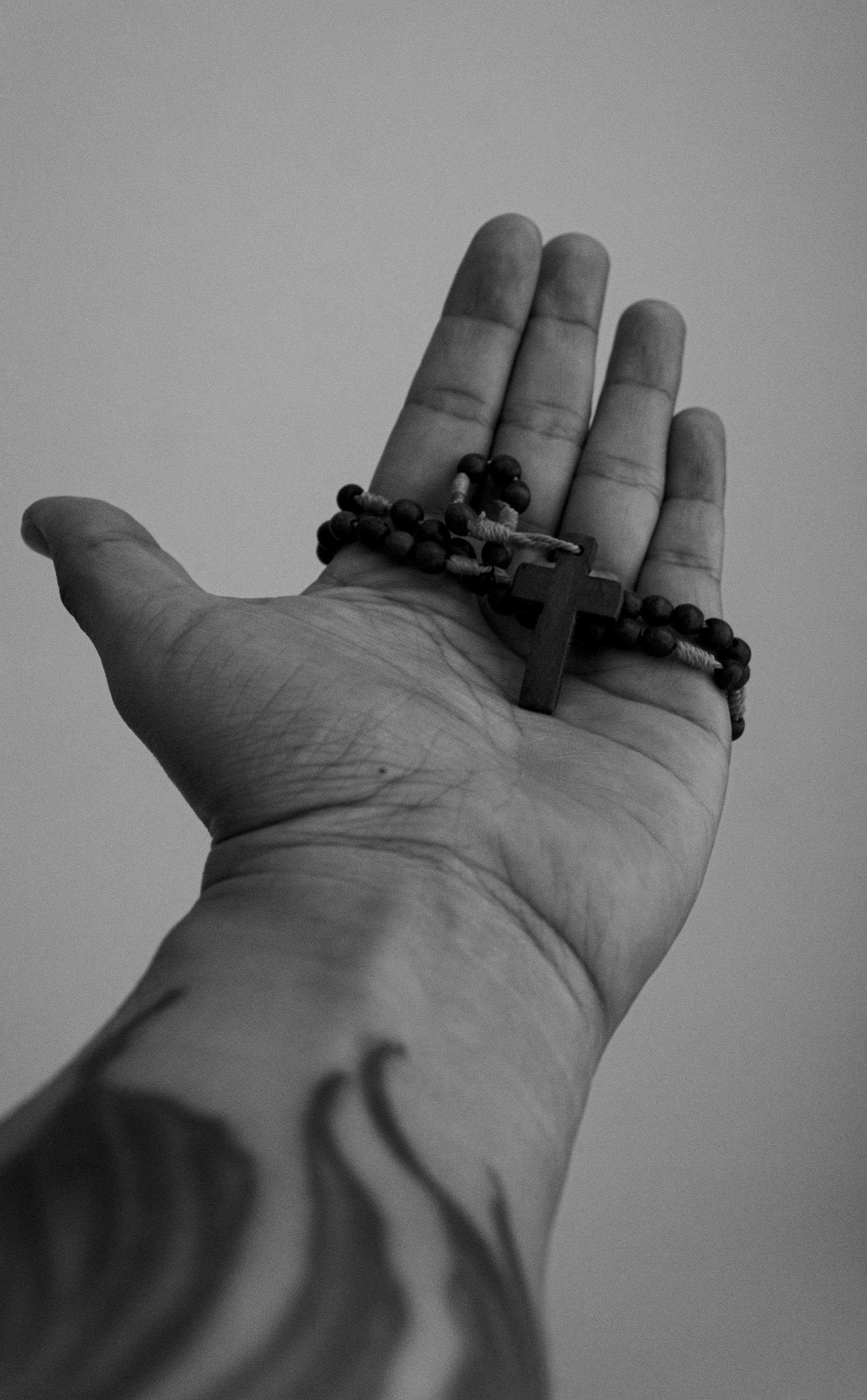
“In the midst of the crowd, a woman who had suffered from an illness for years mustered her courage and, believing in the power of Jesus, touched his cloak. Instantly, she felt healed. Jesus, realizing that something extraordinary had happened, asked who had touched him. Trembling, the woman revealed her story. With love, Jesus said to her, 'Daughter, your faith has healed you. Go in peace and be freed from your suffering.'‘
In Mark 5:21-43, we find two powerful miracles that not only reveal Jesus' healing abilities but also teach us valuable lessons about faith and perseverance. By healing Jairus' daughter and a woman with a flow of blood, Jesus demonstrates his immense power and compassion. But beyond the miracles themselves, how do these stories impact the faith of the crowd? Let's explore how these events not only changed lives but also left a profound legacy of hope and faith within us.
How do the miracles of Jesus in Mark 5:21-43 reveal his power?
The main miracles recounted in Mark 5:21-43 include the healing of a woman who had suffered from hemorrhaging for twelve years and the resurrection of the daughter of Jairus, a synagogue leader. The first, by merely touching Jesus' garments, demonstrates a powerful act of faith; the second reveals Jesus' power over death.
The narrative highlights Jesus' healing power in several ways. The woman with the hemorrhage, in her quest for healing, transcends social and spiritual barriers, trusting in Jesus' power to restore her. The Master's touch is so impactful that she immediately feels healed, highlighting not only his authority but also the personal faith that connects the believer to the Savior. By turning and asking who touched her, Jesus emphasizes that faith, not just the miracle, is essential.
The impact of these miracles on the faith of the crowd is significant. The rapid transformation from despair to hope is palpable. The resurrection of Jairus' daughter triggers not only joy but also a strengthening of collective faith, leading those around to recognize the true power of Jesus. Even with the sadness that preceded the healing, the result is a testament to the character of God, who is both just and loving.
These accounts not only illustrate the essence of Jesus' power, but also reveal an invitation to faith. They show us that, in the midst of pain and despair, there is always renewed hope in Christ, causing each of us to ask ourselves: how far are we willing to go in our search for Him?
What can we learn about faith through the stories of Jairus and the woman with the issue of blood?
The story of Jairus and the woman with the hemorrhage in Mark 5:21-43 reveals profound lessons about faith and healing. How does Jairus' faith influence the healing of his daughter? Jairus, a synagogue leader, demonstrates remarkable faith by prostrating himself at Jesus' feet, pleading for the healing of his sick daughter. His attitude not only shows his urgent need but also his trust in Jesus as someone who can perform miracles. This sincere surrender represents a faith that does not hesitate but acts.
How does the woman with the issue of blood demonstrate active faith? This woman, who had suffered for 12 years, believes that simply touching Jesus's garment will be enough to heal her. Her gesture of touching Jesus symbolizes a bold and imminent act of faith. She overcomes fear and shame, demonstrating that faith can be a powerful force when we feel powerless. It is an inspiring vision of how faith can motivate us to seek healing, even when circumstances seem discouraging.
These accounts teach us about the importance of perseverance in faith. Both Jairus and the woman with the hemorrhage faced challenges and delays, but they persisted in their search for help. Faith is not just a momentary act; it is a continuous path of trust in God, even when things don't seem to be working out. Through these stories, we are encouraged to cultivate a resilient faith that persists despite obstacles.
What is the historical and social context of the miracles narrated in Mark 5?
Galilee, during Jesus' ministry, was a place marked by social and religious tensions. Many inhabitants suffered from disease, poverty, and oppression. Furthermore, the Roman presence and high taxes exacerbated the population's discontent. In the midst of this reality, Jesus emerges as a figure of hope and healing.
The religious leaders of the time, including Pharisees and Sadducees, viewed Jesus' miracles with suspicion. They worried about the potential threat his teachings posed to tradition and the established religious order. For them, miraculous healings called into question loyalty to religious practices and interpretations of the Law. On the other hand, many of the faithful saw these healings as a sign of divine power working through Jesus. This division in reactions indicates that, for the religious leaders, miracles were difficult to accept, while for the people, they became a tangible manifestation of faith.
The crowd's reaction to Jesus' miracles reveals the depth of their belief and their desperate search for hope. When Jairus, a synagogue leader, seeks Jesus to heal his daughter, it demonstrates not only his personal faith but also the collective desperation of a society yearning for healing and redemption. In the case of the woman with the hemorrhage, her bold approach and active faith in touching Jesus' garments exemplify the courage of someone ready to defy social and religious norms in pursuit of healing. These stories, beyond being narratives of faith, reflect a social context where hope intertwines with the need for miracles.
How do the healing narratives in Mark 5 compare with other biblical accounts?
The healing narratives in Mark 5 bear striking similarities to accounts in other Gospels. For example, the healing of the blind man in Mark 8 and the restoration of Bartimaeus' sight in Mark 10 also highlight Jesus' compassion and supernatural power. However, Mark is unique in how he intertwines the stories of Jairus and the woman with the issue of blood, creating a dramatic effect that underscores the urgency and faith that permeate both healings.
Mark's narrative style, characterized by brevity and intensity, provides an immersive experience. He uses the technique of interruption, where the healing of the woman with the hemorrhage occurs in the midst of Jairus's search for help. This structure not only captures attention but also highlights the importance of faith in critical moments. By contrasting these two stories, Mark emphasizes that faith can manifest itself in unique and individual ways.
When comparing the healings in Mark 5 with accounts from other Gospels, it becomes clear that Jesus' miracles transcend the physical act of healing. They are also signs of the Kingdom of God, which brings hope and renewal. For example, Luke's account of the healing of the leper highlights purification that is not only physical but also spiritual. These stories invite readers to reflect on the nature of Jesus: not just a healer, but the very Son of God, who has power over life and death.
Such comparisons not only broaden our understanding of miracles, but also illuminate our own journey of faith. The intersection of healing accounts challenges us to look at our own lives and recognize the healing power of Jesus, reflecting the hope He offers in every circumstance.
What is the spiritual significance of the healings in Mark 5:21-43?
The miraculous healings in Mark 5:21-43 convey powerful messages about faith, hope, and the divine nature of Jesus. The healing of Jairus' daughter, a synagogue leader, and the transformation of the woman with the hemorrhage illustrate not only Jesus' healing power but also his profound compassion and availability to those in need of help.
One of the most significant teachings is that faith is a central element in these healings. Jairus, desperate for his daughter's health, believes that Jesus can restore her. This active faith is an invitation to reflect on how our own faith can be a point of connection with God. The woman with the issue of blood, by touching Jesus' garment, demonstrates an instinctive and courageous belief in his healing power. This action reveals the importance of perseverance in seeking divine help.
Furthermore, these narratives shape our understanding of God's character. They show us a God who cares deeply about human suffering, willing to intervene in a personal and direct way. The message of hope that emanates from these stories becomes applicable to our daily lives. Just as Jairus and the woman found healing, we too can expect God to care about our anxieties and challenges.
Therefore, the healings in Mark 5:21-43 are not merely miracles; they are expressions of the message of hope that God offers to us all. This pain and suffering can only be overcome through faith and trust in divine power, showing that even in moments of despair, there is always a path of light and healing ahead.
Conclusion
The miracles recounted in Mark 5:21-43 not only reveal the extraordinary power of Jesus, but also offer profound lessons about faith and perseverance. The story of Jairus and the woman with the hemorrhage teaches us the importance of active faith, while the historical context illustrates the impact of these events on the society of that time. Comparing them with other biblical accounts, we perceive the uniqueness of Mark's narrative. Ultimately, these healings convey spiritual messages of hope and reveal God's loving character, encouraging us to strengthen our own faith.
FAQ
Frequently Asked Questions (FAQ)
1. What miracles did Jesus perform in Mark 5:21-43?
The miracles include the healing of a woman who had suffered from hemorrhaging for twelve years and the resurrection of Jairus' daughter. The woman's healing demonstrates powerful faith, while the resurrection reveals Jesus' dominion over death.
2. What does the story of Jairus and the woman with the hemorrhage teach us about faith?
Active faith is central. Jairus prostrates himself before Jesus, demonstrating confidence in his ability to heal his daughter. The woman, on the other hand, believes that a simple touch of Jesus' garments will be enough to heal her, showing the power of faith in moments of despair.
3. How did the social context of Galilee influence these miracles?
In Galilee, there were social and religious tensions; many faced illness and poverty. Jesus emerges as a figure of hope, and his healings generate mixed reactions—acceptance among the faithful and distrust among religious leaders, reflecting the people's desperate search for healing.
4. How do the healing narratives in Mark 5 differ from other biblical accounts?
Mark intertwines the stories of Jairus and the woman with the issue of blood, creating a dramatic narrative. This immersive style emphasizes the urgency and uniqueness of each character's faith, whereas other gospels may focus on isolated healings.
5. What is the spiritual significance of the healings in Mark 5:21-43?
The healings convey messages about faith, hope, and the divine nature of Jesus. They reveal a God attentive to human suffering and invite us to trust in divine intervention, showing that even in moments of despair, there is always hope for healing.
Content created with Artificial Intelligence Assistance