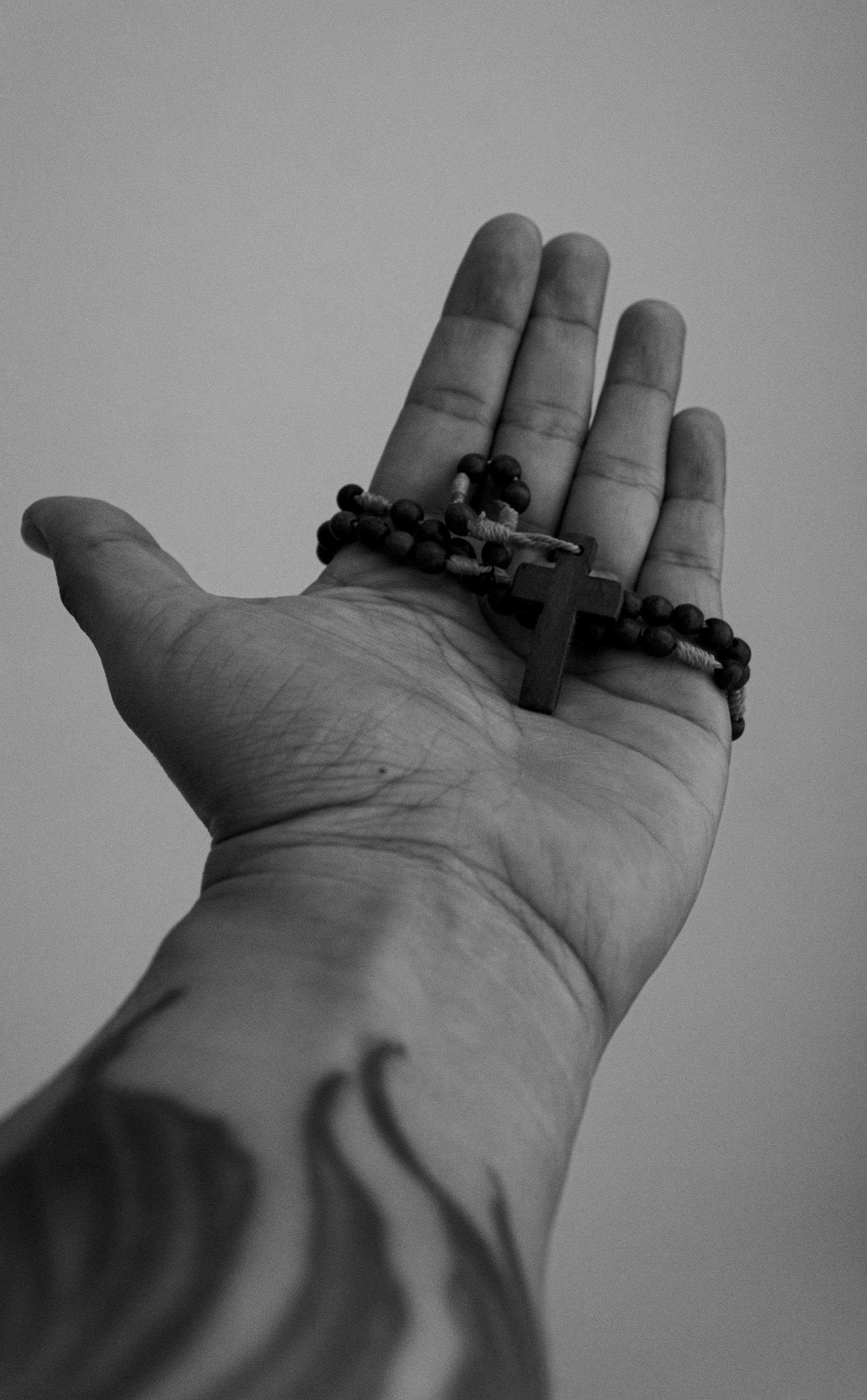
Gospel (Mc 2,18-22): John's disciples and the Pharisees were fasting. Then they came to Jesus and asked, «Why do John's disciples and the disciples of the Pharisees fast, but your disciples do not fast?» Jesus answered, «Can the wedding guests fast while the bridegroom is with them? As long as the bridegroom is with them, they cannot fast. The days will come when the bridegroom will be taken away from them, and then they will fast on that day.”.
»"No one sews a patch of unshrunk cloth on an old garment; otherwise, the patch will pull away from the garment, making the tear worse. And no one pours new wine into old wineskins. Otherwise, the wine will burst the skins, and both the wine and the wineskins will be ruined. Rather, new wine is put into new wineskins!"»
Mark 2,Verses 18-22 present three very interesting images of Jesus: the bridegroom with the guests, the patch on old cloth, and new wine in new wineskins. These passages are also found in Matthew 9:14-17 and Luke 5:33-39. This shows that they are important in the synoptic gospels. The conversation begins with a simple question about fasting. But this question opens the way for a deeper discussion.
Jesus wanted to show something beyond an old tradition. He speaks about how you can't mix the old with something completely new and different. The story of the patch and the wineskins illustrates this idea well. It highlights the difference between following rituals and accepting what Jesus brought that was new.
For those who teach the Bible in Brazil, these verses offer insights into fasting in Jesus' time. They help to understand how to put these teachings into practice today. The interpretation offered aims to make everything clearer. It acknowledges the newness that Jesus represents, without forgetting where we came from in faith.
In the following texts, we will explore more about patching old cloth and putting wine into new wineskins. We will understand how these stories affect our lives, the way we celebrate faith, and the work of religious leaders in Brazil today.
Historical and biblical context of Jesus' sayings.
The Gospel of Mark reveals an interesting dialogue about fasting. This dialogue takes place amidst different social and religious groups of the time. The story shows how people reacted to the new practices that Jesus introduced, contrasting them with the old ones.
Who questioned Jesus and why?
John's disciples and Pharisees asked Jesus about fasting. They were confused because Jesus' followers did not fast as they did. John and the Pharisees fasted regularly, so they wanted to understand the reason for this difference.
Jewish fasting practices during the Second Temple period
Fasting during the Second Temple period was primarily confined to the Day of Atonement. However, people also practiced voluntary fasts and followed certain group routines. This act became a way to ask for forgiveness and pray publicly, according to ancient traditions.
How does Jesus' ministry position itself in relation to religious traditions?
Jesus' work began something entirely new and full of joy. He showed that it is possible to be close to those who err and not to fast merely for appearances. Jesus used examples such as the bridegroom, the patch, and the wineskins to illustrate that his message was innovative and different from ancient traditions.
Mark 2:18-22: verse-by-verse analysis
Let's read this passage carefully. The analysis of Mark 2,Verses 18-22 show how Jesus used powerful imagery. He speaks about everyday things to explain his message.
Interpreting the image of the groom and the guests
Jesus compares himself to a bridegroom in verses 18–20. Like at a feast, where joy is certain. When the bridegroom is present, fasting is suspended; everything changes in his absence.
The phrase "the bridegroom will be taken away from them" refers to the Passion of Christ. This part helps us understand that, without Jesus, mourning practices such as fasting return.
Explanation of the parable of the patch in the cloth.
Verse 21 uses the example of a new patch on an old garment. This shows that new things don't fit together with old ones without damage.
The story of the patch shows that you can't mix new things with old things without thinking. This teaches us about profound changes, not just simple adjustments.
Meaning of the parable of the new wine in new wineskins
In verse 22, we have the analogy of wineskins. They need to be flexible for the new wine that ferments. That way, the new wine is not lost.
The new wine represents important teachings of Jesus. And the new wineskins represent hearts ready to change. This story speaks of the importance of being open to new things.
The stories of the groom, the patch, and the wine teach us a great deal. The analysis of Mark 2,Verses 18-22 show the difference between the old and the new, and how this affects our life in community and our faith.
Theological and practical implications for the Christian life.
The text of Mark 2:18-22 makes us think about the changes brought about by the New Covenant. It compares new wine to new wineskins. This means that we need to be ready for a profound renewal.
This change isn't just about rituals. It's a transformation in how we see and live our faith.
The concept of the New Covenant versus human traditions.
Jesus came to fulfill the Law, as it says in Matthew 5:17. He brought a way of relating to God based on grace. Therefore, old practices still make sense if they truly draw us closer to God.
The New Covenant does not accept adapting the Gospel to empty rituals. Paul, in Galatians, says something strong: if the Law gave salvation, the death of Christ would have no value. This shows that true redemption goes beyond simply following rules.
Fasting, prayer, and spiritual practices today
Fasting and prayer are ways to encounter God. They are valid when they come from the heart and promote true communion. In the Catholic Church, they are linked to the Eucharist, giving a greater meaning to fasting.
Religious leaders must find ways to practice fasting that truly make a difference. The idea is to encourage actions that transform both individuals and the community. In this way, fasting becomes something that changes people's lives.
Inner conversion and moral transformation
The image of the new wineskins speaks of a necessary change in our being. Our actions, relationships, and ethical values need to reflect our faith. Living the new life in Christ means being an example, seeking reconciliation and social justice.
Practices such as retreats and spiritual direction can prepare believers for this life. They aid in spiritual growth and make conversion a journey, not just a moment.
Pastoral Readings and Applications in Contemporary Brazil
Mark 2:18-22 offers valuable insights for religious leaders in Brazil. It is read on Monday of the Second Week of Ordinary Time. This passage connects celebration, the Eucharist, and the newness of the Kingdom, making it useful for preachers and catechists.
Liturgical reading and meditation
Mark 2:18-22 speaks about the wineskin, an ancient leather bag. Explaining this helps to better understand the homilies. The liturgical reading in Brazil makes it easier to experience this text during Mass.
Practical applications for communities and retreats.
Retreats can draw inspiration from the idea of new wineskins to renew customs. Proposing the theme of "new clothes" and new wine renews faith and welcomes everyone.
- Itinerary for retreats: prayer, sharing, and reflection on personal change.
- Youth ministry: joyful encounters for young people, without forgetting repentance.
- Liturgical suggestions: sermons that portray the Eucharist as new wine.
Personal reflections and spiritual exercise
Simple practices, such as attentively reading the Gospel and keeping a journal, reveal the meaning of "new clothes." Examining our habits helps us embrace the new.
A prayer can request the grace of being a renewed wineskin. Sharing these activities on social media and WhatsApp increases their reach.
Conclusion
Mark 2:18-22 presents three significant images. The first is the Bridegroom's feast, which shows the time of celebration. The second, a new patch on an old garment, symbolizes that the old no longer serves its purpose. And the third, new wineskins for new wine, highlights the need for renewal.
These images explain why the disciples did not fast like the Pharisees. They emphasize the joy of the Kingdom of God that is among us. The passage also connects with Matthew 9:14-17 and Luke 5:33-39.
It revives practices from the Old Testament, such as the fasting of the Day of Atonement. But it calls for spiritual renewal, moving away from empty legalism.
For leaders and communities, the message is clear. We need to promote activities that reflect true faith: fasting, prayer, and the Eucharist. These practices must spring from a transformed heart.
Caring for the "new wineskins" is essential. It ensures that the good news of the new wine is experienced with joy and authenticity. In this way, faith becomes a vibrant invitation for everyone.
Content created with Artificial Intelligence Assistance