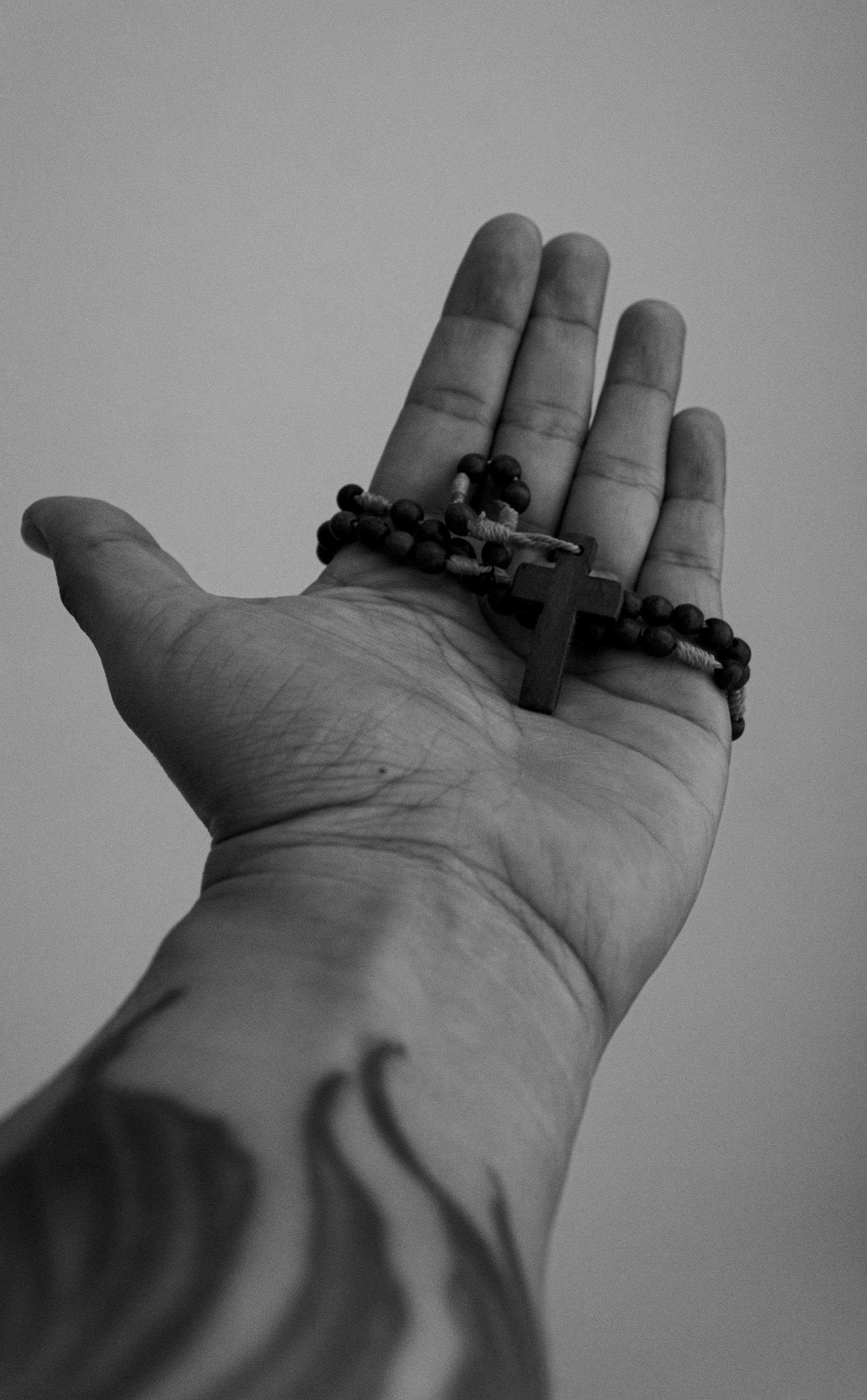
Gospel (Lc 21,1-4): At that time, Jesus looked up and saw rich people putting their gifts into the treasury. He also saw a poor widow put in two small coins. And he said, «Truly I tell you, this poor widow has put in more than all the others. For they all gave out of their abundance, but she, out of her poverty, put in everything she had to live on.».
Luke 21,Verses 1-4 show Jesus observing people giving offerings in the temple. He compares the generosity of the rich with that of a poor widow. Jesus teaches that true generosity comes from the heart, not from the amount given.
This episode is mentioned in many sermons and studies. Pope Francis spoke about it, criticizing consumerism. He highlighted the widow's trust in God, showing her complete generosity. The Pope suggested that we should share more and live simply.
Luke 21,Verse 1-4 is not just a spiritual lesson. It connects with other texts in the Bible and has importance in the liturgy. We will explain its meaning and how to apply it in community life, following the teachings of Pope Francis.
Historical and biblical context of the passage
The account of Luke 21,Verses 1-4 present a critique of material possessions. It is situated when Jesus observes in the temple courtyard how people offer their possessions. This reveals much about what they value in their hearts.
Luke uses these episodes to highlight mercy and justice. By including the scene of the widow, he speaks about power, wealth, and trusting in God.
In the liturgy, this part of the Bible is read alongside other texts. They speak of being faithful and attentive. Relate this to Daniel 1, which shows faithfulness in difficult situations.
The Psalm is sung to praise God. It connects the moment in the temple with the prayer of the community.
When discussing the characters, the widow represents the most vulnerable. Her gesture stands out because it shows total surrender, unlike that of the wealthy.
The wealthy, in giving to the temple treasury, demonstrated their social standing. But that donation may not have shown complete devotion to God.
The temple was a place for both religion and economy. It received offerings to help the poor and for its upkeep. This illustrates the tensions between faith and social justice.
- Author of the Gospel of Luke: a narrator who interweaves scenes from the temple with social concerns.
- Liturgy: readings that associate vigilance and faithfulness, including Daniel 1 and the Responsorial Psalm.
- Widow in Judaism: a symbol of vulnerability and radical trust in God.
Detailed reading of Luke 21:1-4
The story tells of a very significant situation in the temple. In Luke 21:1-4, Jesus observes the people giving offerings. This moment is used to reflect on themes such as value, poverty, and faith.
Gospel text and common translation
In the most popular translations, we see Jesus observing the rich and a widow in the temple. They contribute in different ways. The focus is on the widow who donated "all she had to live on." This generates various interpretations of this sacred text and helps to better understand its messages.
Narrative elements: Jesus' observation and social contrast.
This story shows a stark contrast between the rich and a poor widow. Jesus pays attention not only to the amounts of money, but to each person's situation. This moment highlights the concern for those who are left behind and questions the importance given to appearances.
Literal and symbolic interpretation of the widow's gesture.
- Literal interpretation: the widow donates two small coins, risking her livelihood. It shows a moment of real sacrifice.
- Symbolic interpretation: the gesture represents trust and total fidelity to God. The widow is an example of someone who prioritizes faith over material possessions. This vision emphasizes complete surrender and invites reflection on community values.
Analyzing Luke 21:1-4, we see that the widow's offering teaches us something more. It doesn't just point to an individual action. It leads us to reflect on intentions, social justice, and the meaning of giving in situations of inequality.
Luke 21:1-4 as a lesson on generosity
The episode of the widow in front of the temple teaches us about generosity. Jesus highlights the importance of a generous heart, beyond the value of the donation. Thus, he teaches us to be truly generous, questioning ways of acting in society and in religion.
The value of the intention versus the quantity of the offer.
Jesus shows that what counts is the intention behind the donation. He compares large offerings with the simple act of the widow. A small act of giving, done sincerely, shows true dedication and loyalty.
Total sacrifice: the meaning of "everything I had to live for"“
Giving everything you have is a great risk and shows trust in God. This goes beyond simple acts of charity; it's putting God first. Being generous in this way shows a deep commitment, not just an act to be seen.
Practical applications: small donations and social impact
Pope Francis says that true generosity comes from faith in God. Small actions, such as donating food, clothing, or time, can change the world around us. Such gestures show how to apply the teachings on generosity to everyday life.
- Encourage regular small donations to local causes.
- Promoting decluttering through the sale of surplus clothing and footwear.
- Organize community workdays in parishes to address immediate needs.
Simple gestures can have a great social impact. When communities share, they can change realities of poverty and increase social responsibility. The challenge is to make generosity a daily practice, showing that even the smallest acts can be a great sacrifice.
Pastoral perspective: Pope Francis and the critique of consumerism.
Pope Francis spoke about the story of the widow in Luke 21:1-4 as an example of true faith. He argued, at Casa Santa Marta, that generosity comes from faith in God and not from human plans.
For Pope Francis, generosity is connected to inner liberation. He encourages the faithful to ask for the ability to detach themselves from possessions, so that their hearts can open to others.
Consumerism is criticized for being an addiction that diminishes the spirit. He recalls how this consumer culture grew in Buenos Aires, affecting everyone.
The Pope calls this excessive desire to spend a "psychiatric illness" that imprisons us. He says it prevents us from performing simple acts of solidarity because the desire to possess things prevents us from helping others.
To address this, the Pope suggests changes to our daily habits. He recommends organizing the home, separating what we no longer use and donating it to those in need.
- Donate clothes and shoes that you no longer use;
- Save a little money regularly, following the widow's example;
- Practice austerity to develop character and increase generosity.
These actions aim to change our individual behavior and create a culture of community. Choosing to live more simply teaches us to share and strengthens our relationships.
By combining prayer and action, the message of Casa Santa Marta is clear. Sharing should be a constant practice, not just an isolated act. This helps combat consumerism and promotes generosity in everyday life.
Ethical and social implications of the message
The scene of the widow in the temple makes us think about protecting the most vulnerable in the community. It makes us look at the structures that should guarantee social justice and care for all.
Solidarity with the poor
In Judaism, widows, orphans, and migrants symbolized those most in need of help. Pope Francis emphasizes that helping goes beyond symbolic gestures. It's about taking concrete action: developing policies, providing community support, and seeking practices that ensure dignity for all.
Individual generosity and collective impact
When people are generous and come together, they can transform communities. Small donations together support projects that provide food, shelter, and education. This strengthens social commitment and creates supportive local policies.
Avoid self-justifying offers.
Giving without changing your inner life may not be genuine. Being authentic in giving means examining yourself, practicing austerity, and committing to always helping. The Gospel wants complete and sincere actions, not just outward appearances.
- Practicing accountability in community initiatives to strengthen transparency.
- Establish programs that integrate small donations into sustainable projects.
- To foster spiritual development that unites personal generosity with social responsibility.
How to apply the teachings of Luke 21:1-4 to daily life.
The story of the widow in the temple teaches us to live out our faith in practice. Apply Luke 21,1-4 involves changing small habits. This connects our faith to our daily actions, at home or in church.
Small acts of generosity: donations, giving away possessions, and volunteering.
How about starting with your closet? See which clothes and shoes you no longer use and donate them. Trying to donate some of what you buy or half of the shoes you no longer wear is a good start. This helps us practice letting go and helps other people quickly.
Organizing charity bazaars and creating clothing banks at church helps many people. Volunteering at shelters or participating in aid efforts brings real benefits. Being there for someone is worth just as much as helping with material things.
Spiritual practices that cultivate trust in God and magnanimity.
Pray before making your donations to be sure of your intentions. Reading about faithfulness in sacred books like Daniel or the Psalms strengthens our faith. This helps us avoid doing things just to be seen by others.
Making small sacrifices, limiting purchases, and reflecting on how we spend our money can open our hearts. With practice, we transform our good intentions into a way of life.
Concrete ideas for families, communities, and parishes.
- Regular fundraising programs in parishes with volunteer shifts for sorting and delivery.
- Community financial literacy workshops to encourage austerity and sharing among families.
- Joint efforts to assist migrants and vulnerable families, with organized social services and donations.
- Quarterly charity bazaars to replace donated clothes and shoes, accompanied by liturgical moments that reinforce spiritual motivation.
By integrating acts of generosity into our calendar, we maintain continuity. Apply Luke 21,1-4 requires us to be consistent. This includes detachment, volunteering, and trusting God through small but meaningful actions.
Conclusion
The story in Luke 21:1-4 highlights the importance of intention and sacrifice in generosity. It's not just how much we give, but how we give that counts. The widow who gave everything illustrates Jesus' lesson: giving everything is a sign of faith and trust in God.
The message criticizes consumerism, echoing Pope Francis' words about living simply and sharing more. It connects to liturgy and biblical texts such as Daniel and the Psalms, showing that being generous involves praying, living in community, and participating in church life.
We are called to change individually and collectively: making small, frequent donations, promoting generosity at home and in church, and creating support networks to combat poverty in a lasting way. The essence of the gospel inspires us to act against consumerism, fostering true solidarity.
Content created with Artificial Intelligence Assistance