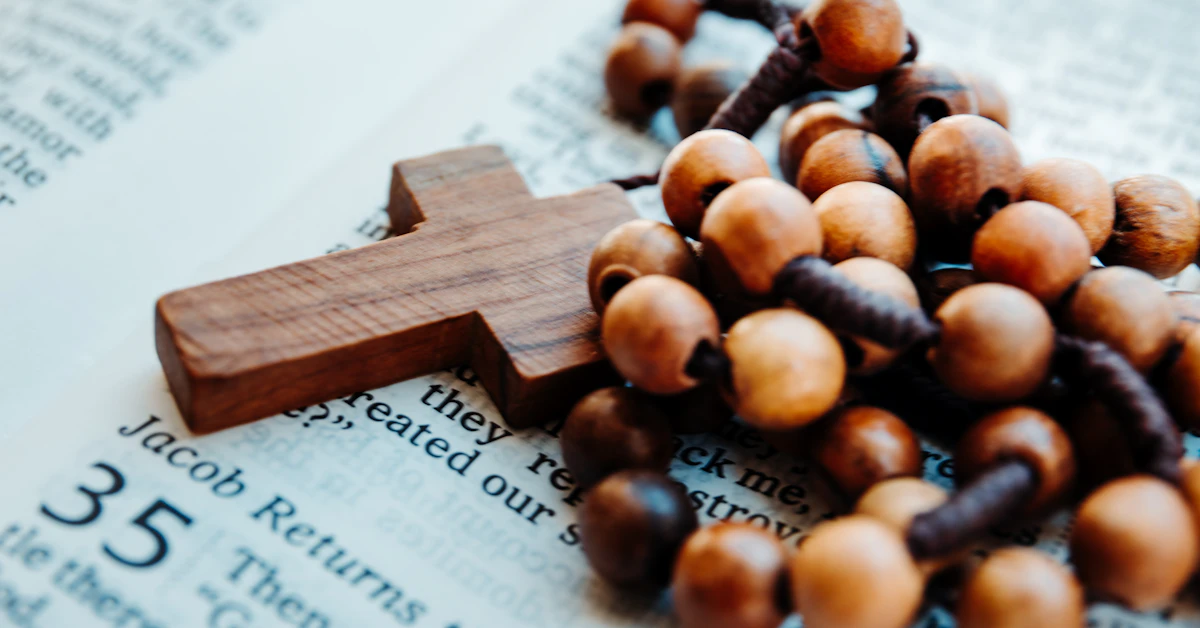
The Gospel (Lc 1,57-66): When it was time for Elizabeth to have her baby, she gave birth to a son. Her neighbors and relatives heard that the Lord had shown her great mercy, and they shared her joy. On the eighth day they came to circumcise the child, and they were going to name him after his father Zechariah, But her mother said: ‘No. His name will be John. They said to her, “There is no one among your relatives who has that name. ” Then they motioned to his father”, What does he want him to be called? ” He asked for a writing tablet, and to everyone’s astonishment he wrote, “His name is John”. Immediately his mouth was opened and his tongue was loosed, and he began to praise God. The neighbors were all filled with awe, and throughout the hill country of Judea people were talking about everything. Everyone who heard this wondered about it, asking, “What then is this child going to be? ” For the Lord’s hand was with him.
Luke 1,57-66 shows the birth of John the Baptist in thrilling detail. It talks about circumcision, the choice of name and Zechariah’s return to speech. These facts show fulfilled promises, God’s intervention and the impact on the community.
John’s birth was not just a family event. It marked the beginning of an important phase for faith. The story mixes ritual and prophetic symbolism. This helps us to appreciate its value in the Bible.
The reflection on these verses comes from the careful studies and opinions of Count Egídio Serpa and Helena Colares. It also adds insights on the Sunday Gospel. The goal is to connect detailed analysis and relevance for Christian communities in Brazil.
Next, let us look at the context of this passage. Let us explore each scripture and think about what it teaches about God and our mission. It is expected that the Luke 1,57-66 motivation to look out for others, personal change and attention to what Luke wants us to know.
Historical and literary context of the passage
The section of Luke 1,57-66 is at the beginning of the gospel. He mixes history with theology. Luke’s text is careful about accuracy of facts. At the same time, it connects past promises with what’s happening now.
Luke wrote not only that Gospel but also Acts of Apostles. It shows how much he cared about telling the story and defending his faith. The story of John’s birth is told between prophecies and praise. This shows how Luke wanted to present John the Baptist.
The first chapters of the gospel tell about important births and divine signs. People like Zechariah, Elizabeth and Mary show Israel’s unwavering faith. Luke mixes narrative with religious elements. This creates a connection with ancient Jewish traditions.
Luke talks a lot about how old promises come true. Phrases like “The time has come” They connect the before with the now. He uses miracles and healings to show how salvation is developing. This way of telling things helps the reader to understand the importance of the story.
Information about customs of the time, such as circumcision and baby names, is explained. Luke gives special attention to John’s mother, Elizabeth. He puts you at the center of the story. It shows that the gospel values everyone in the community. And it introduces new ideas about faith and salvation.
A careful reading of Luke 1,57-66
This passage is essential to understanding the link between signs, rituals and community. Show how John’s birth influences the faith of all. Let’s explore verse by verse, and talk about the terms and elements of narrative.
Verse by verse summary
- AND.57: Elizabeth has her son, marking a time of divine blessing.
- AND.58: Joy takes care of neighbors and family, thanks to God’s goodness.
- AND.59: Circumcision of the baby connects him to God’s ancient promise.
- AND.60-61: Elizabeth chooses the name John, which surprises everyone because it is an unusual family name.
- AND.62 to 63 C. E. : Zechariah, without speaking, writes that the baby will be called John, Showing power and conformity.
- AND.64: Immediately Zechariah can speak again and begins to praise God, confirming the angel’s message.
- AND.65: The miracle causes all to feel awe and wonder, perceiving God’s action.
- AND.66: John’s story spreads and everyone wonders about his future, feeling divine protection over him.
Key terms and significant expressions
- “The time has come”. Luke uses this phrase to indicate that ancient promises are being fulfilled.
- “The hand of the Lord” – an expression that highlights God’s choice and care for John.
- ‘Zechariah’s mouth is opened’: a miracle that proves angelic action and validates the appointment of John.
Narrative elements: birth, circumcision, name and community reaction
Birth is a celebration of God’s intervention, bringing joy to all. The circumcision ceremony binds the baby to a tradition of faith.
The name drama shows Elizabeth defying expectations, and Zechariah confirms by choosing the name John. It unites miracle and tradition.
The community is amazed by the events. They begin to question John’s future, marking an important moment in the history of faith.
Theological Significance of John’s Birth
The birth of John marks a pivotal moment in the history of salvation. This event invites us to reflect more deeply on God’s dealings in the world. It’s an invitation to better understand the divine action in our lives.
John as the Beginning of Fulfillment
Luke shows John as the gateway to a new phase of God’s promises. Their arrival demonstrates that divine promises are beginning to be fulfilled. This is true even in times of great difficulty.
By being righteous, Zechariah and Elizabeth show that God still trusts his people. John’s birth indicates that even with the problems of the institution, salvation continues to advance.
John as a prophet and forerunner of the Messiah
John is understood as an important prophet from the beginning. Luke’s tradition sees him as the voice that prepares the way for the Messiah. This shows the importance of John in preparing for a new stage.
The events surrounding his birth reinforce his prophetic role. His name, his muteness and the return of Zechariah’s speech signal his unique mission. This anticipates and helps to publicize Jesus’ arrival.
Sacramental and typological dimension (circumcision, rite and covenant)
John’s circumcision on the eighth day reminds everyone of the Abrahamic covenant. This rite demonstrates the child’s connection to his chosen people. It also suggests a link between the old covenants and the new.
John’s appointment and his circumcision symbolize a transition of importance. They confirm the old covenant and indicate the coming of a new age with Jesus. The healing of Zechariah’s dumbness marks the beginning of preparation for the Messiah.
- Community aspect: the birth arouses joy and questioning among neighbours.
- Eschatological dimension: the signs call Israel to watch and scout.
- Spiritual implication: The episode calls for conversion and trust in divine mercy.
The imposition of the female name and authority in narrative
Luke 1,57-66 records the birth of John, highlighting a conflict. It shows the clash between divine and social mores. The child’s name choice, which breaks tradition, reveals the rules of kinship and power.
Isabel’s gesture and the Lucan novelty about a woman ‘s voice
Elizabeth surprises by choosing her son’s name in public. This act challenges the patriarchal order and highlights a woman’s active role in salvation.
The voice of Elizabeth in the gospel symbolizes authority. His choice reflects a strong conviction, not only emotional but also theological and communitarian.
The name “John the Baptist”: etymology and theological meaning
John, from the Hebrew Yochanan, means “God is favorable”. That name gives the child a divine mission of mercy.
When an angel reveals the name to Zechariah, the child’s calling is highlighted. The choice of the name, then, has a prophetic purpose, marking the boy’s future influence.
Community reaction and tension with cultural traditions
The surprise of relatives and neighbors shows the weight of tradition in the appointment. His reaction highlights how culture influences family memory.
Zechariah confirms the name chosen, highlighting the struggle against social norms. This illustrates how a name can trigger important cultural shifts.
- Imposition of the name: point of collision between novelty and custom.
- Elizabeth the protagonist: an example of female action with authority.
- Female voice in the gospel: decisive presence in constructing the narrative.
- Meaning of John: identity and mission linked to God’s grace.
- Cultural tradition: resistance that reveals tension between past and promise.
Zechariah’s Miracle of Speech and its Interpretation
Zechariah’s speechless story shows how doubt and faith clash. He could not speak until his promise was fulfilled. When Zechariah finally speaks the name John, all see that God has fulfilled His word.
Unbelief, muteness and the restoration of speech as a sign
Zechariah doubted the angel’s message and so became mute. This silence served to teach Zechariah and show the truth of the promise to all. When he speaks, it is a clear sign of God’s miracle for the people.
The Song of Zechariah (Benedictus) as a liturgical and theological response
When Zechariah is able to speak again, he sings praises that mix memories and hopes. Your song, The Benedictus, It talks about important topics, as deliverance and divine promises. This song becomes an important religious symbol, announcing the coming salvation.
Personal Conversion and Symbolism – Father Converted by Son
Surprisingly, it is baby John who changes his father Zechariah. Zechariah’s transfiguration shows the power of a divine sign to renew faith. This reminds us of stories where people rediscover their belief in God and return to praising Him.
- The miracle of speech confirms angelic authority and strengthens the community’s faith.
- The Benedictus operates as a theological synthesis, recalling promises and sending salvation.
- Zechariah’s conversion invites humility before the divine purpose and confidence in promises.
Community impact and dissemination of news
When something extraordinary happens, the community comes together in joy and fear. The people around him begin to see God’s hand in the matter. They admire and respect the event, understanding that the moment goes beyond families to reach all audiences.
Neighbors’ Reactions – Joy, Fear and Admiration
The neighbors feel a great joy, visit the house and celebrate together. Such closeness builds friendships between generations. It also helps to spread the news as something important for faith and society.
The fear they feel is not just of fear, but a profound respect. This calls to mind Bible accounts where fear is transformed into faith and recognition of God’s power.
Spreading the News in Mountainous Judea and Eschatological Significance
The news reached the home of Zechariah and Elizabeth in Judea’s mountainous region. The way the news traveled shows how it reached neighboring villages.
This expansion is the beginning of something greater, a sign of great things to come. The story that spreads is like the opening to a hopeful future, described later in Acts.
Questions from the Community: “What will become of this boy?” as an invitation to vigilance
The question about the boy’s future mixes curiosity with hope for a messiah. It encourages the community to be alert and seek to understand the signs of the times.
Such doubt stimulates deep conversation and reflection. It teaches us to look at the extraordinary with a critical yet faith-filled eye. This serves as an example of how we should view incredible events today.
Practical and Spiritual Applications for the Christian Community Today
The birth of John teaches us important values. It shows us how to live faith in action and inner reflection. It guides us to combine faith with social work.
Called to Conversion and Received in Mercy
This story invites us to change our lives by answering God’s call. Zechariah becomes an example of faith. Thus, it inspires us to seek repentance and hope.
We cultivate gratitude and realize the divine mercy in our lives. We organize times of reflection to strengthen our faith together.
Reflecting on Personal Mission: Name, Vocation and Service
The name John teaches us that our identity and mission are closely linked. It makes us question our own vocation. It encourages us to find where we can serve and witness our faith.
Retreats and support groups help us live out our calling. Whether at work, in the family or in church, living our mission strengthens us all.
The Importance of Courage in Breaking With Unjust Traditions (the example of Isabel)
Elizabeth is an example of courage. With her attitude, she defies old rules and values women. Their courage inspires us to pursue equality and justice.
Practical actions include giving more voice to women in our community. And to foster an environment where everyone can support each other against envy and hostility.
- Organise community readings of the text to encourage dialogue.
- Promote celebrations of the births of saints as a stimulus to faith and Christian conversion.
- Conduct vocational retreats and discernment groups to identify personal mission.
- Implement actions that increase the voice of women in parish structures.
Conclusion
Luke 1,57-66 shows us important signs of divine action. We have the unexpected birth, circumcision and name imposition. These events also bring back speech, marking a miracle. They signal not just a change in the family but the beginning of fulfillment of promises connected with Jesus. This places John the Baptist as an important prophet and forerunner of Jesus.
The message is clear: we must convert and pay attention to the signs of mercy in our daily lives. John the Baptist plays a dual role: he is an important historical figure and also has a strong presence in the practices of faith, reflected in Benedictus. The way people around you react and spread the news shows how a community can come together in vigilance and hope.
The text of Luke 1,57-66 also encourages us to take action: we must embrace bold actions, recognise vocations and seek to change negative traditions. It is recommended to read Lc 1,5-80 and the song of Zechariah (Lc 1,67-79) to a full understanding of the context and true role of John the Baptist.
Content created with the assistance of artificial intelligence