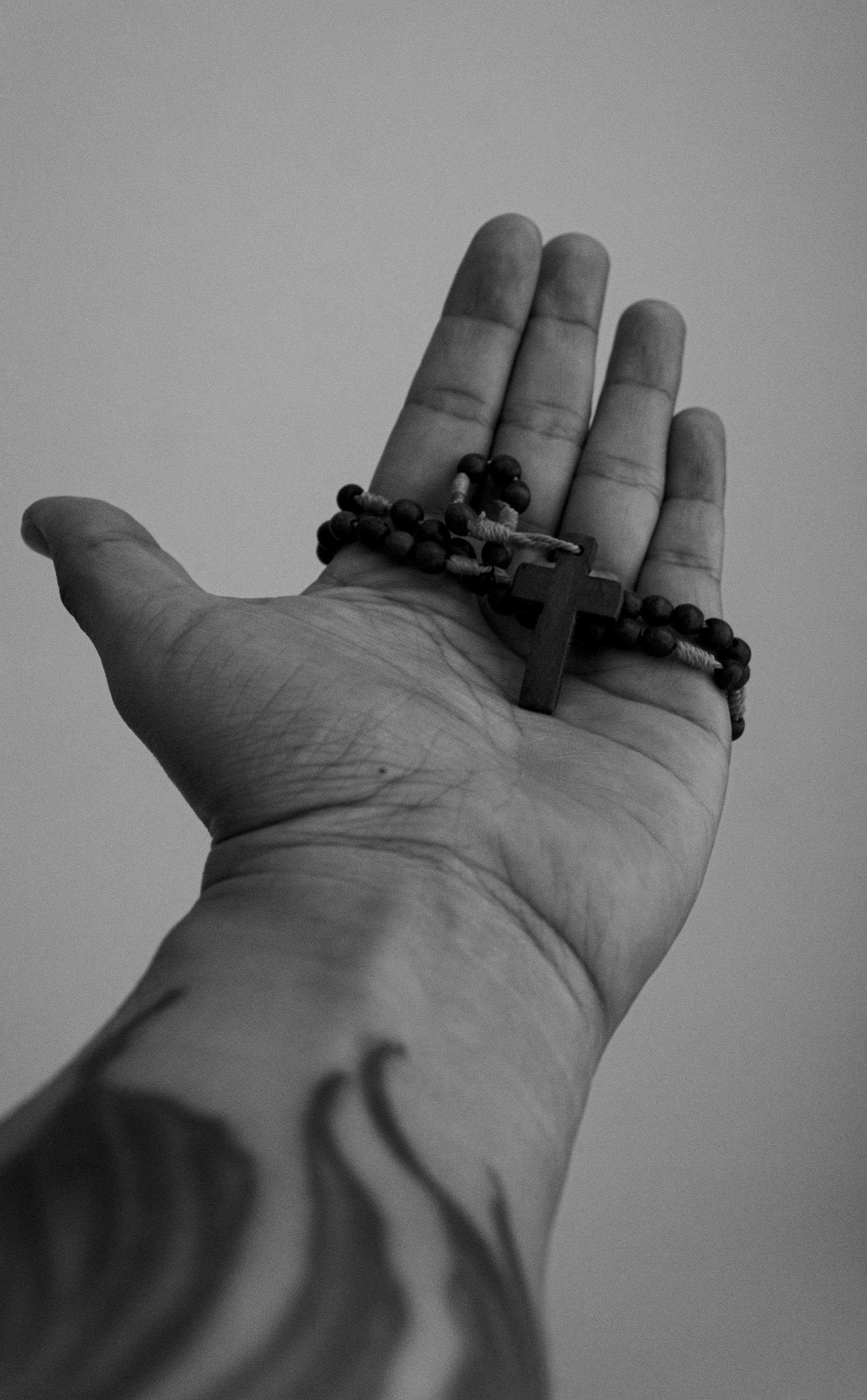
“Some time later, there was a Jewish festival, and Jesus went up to Jerusalem. Now there was in Jerusalem near the Sheep Gate a pool, which in Hebrew is called Bethesda, having five porticoes. In these lay a great multitude of sick people, blind, lame, and paralyzed, waiting for the moving of the water.” (John 5:1-3)
Have you ever stopped to reflect on the profound lessons that the healing of the paralytic at the pool of Bethesda can offer us? In John 5:1-3; 5-16, we find a powerful narrative about faith, compassion, and overcoming. Here, Jesus not only heals but also invites us to rethink our relationship with religious norms and the essence of faith. In this article, we will explore how this passage resonates in our time, bringing valuable lessons about patience, transformation, and the healing power that faith can provide. Let's discover these timeless teachings together!
What are the main teachings of the passage in John 5:1-3 and 5:16?
In the passage from John 5:1-3 and 5-16, the healing of the paralytic at the pool of Bethesda vividly illustrates Jesus' compassion. He not only cares about the physical needs but also the emotional pain of the man, who had been paralyzed for 38 years. This healing is a reflection of Jesus' healing power, showing that He is attentive to everyone, regardless of the length of their suffering.
What lessons of faith and patience can be learned from this narrative? The story teaches that faith, even in the midst of despair, is essential. The paralytic waited years for his healing, a circumstance that may seem hopeless to us. However, his readiness to listen to and act on Jesus' word highlights the importance of being receptive and patient to divine promises.
How does Jesus' word impact the life of the paralytic and those around him? The command to rise and walk changed that man's life instantly, and his transformation did not go unnoticed by the community. This prompts reflection on how our experiences of faith can affect other people. The healing not only brought relief to the paralytic but also provoked questions among the Jews, highlighting the tension between Christ's compassion and the rigid laws.
This account invites reflection on where we place our faith and how we respond to divine intervention. In a world that seeks quick answers, patience in waiting for healing and God's intervention becomes a relevant lesson.
What is the historical and cultural context of the healing at the Pool of Bethesda?
The healing of the paralytic at the Pool of Bethesda, as recounted in John 5:1-3, is embedded in a profound historical context marked by Jewish traditions and a very specific socio-religious setting. The Pool of Bethesda, with its waters considered curative, was a meeting point for many seeking physical and spiritual healing, reflecting the common belief in divine intervention through rituals.
Jewish traditions of the time valued the observance of the Law and practices that sometimes generated resistance to change. The wise rabbi Saul already spoke about the difficulties of breaking established norms. This resistance is clear in the reactions of the religious leaders to Jesus' miracle. They could not see the healing as an act of compassion, but rather as a violation of the Sabbath. religious code It restricted actions considered 'work', even if they were performed in the name of mercy.
Furthermore, the relationship between Jewish practices and the events narrated illustrates a larger conflict in Jesus' time: the struggle between tradition and the new message He brought. While Jesus promoted healing directly, religious leaders emphasized the importance of strict adherence to the Law. This tension is not only historical, but an issue that extends to contemporary discussions about what it means to have faith and how to apply compassion in religious practice.
Therefore, the healing at the Pool of Bethesda is not just about a physical miracle, but represents a paradigm shift, challenging established norms and inviting believers to reevaluate their beliefs and practices based on love and mercy.
How does the reaction of the Jews reflect the tension between Jesus and the Law?
The healing of the paralytic at the pool of Bethesda, described in John 5:1-3 and 5:16, is not merely a miracle; it reveals the tensions between Jesus and the Jewish Law of the time. The reaction of the Jews upon seeing the healed man carrying his mat on the Sabbath is a clear example of the profound questioning of religious norms. They immediately confront the healed man, defending the observance of the rules regarding compassion for healing.
What is the impact of this? This resistance from religious leaders illustrates how tradition and rigid interpretation can impede the experience of a miracle and grace. When the healed man says that it was Jesus who healed him, the indignation grows even more, leading the religious leaders to persecute him for "violating" the Sabbath. This moment highlights Jesus' stance, which prioritizes human need over established norms.
This tension reveals a larger struggle: the need for spiritual evolution in the face of limiting dogmas. The healing not only transformed the paralytic's life but also exposed the limitations of the authorities and their interpretations of the Law. The message that resonates is that the true essence of the Law should be love and compassion, not just the blind following of rules.
Finally, as we reflect on this interaction, we can ask ourselves: aren't we often trapped in our own interpretations of religion? What might openness to new understandings and experiences of faith mean for us today, even if it challenges the status quo? This is the invitation that the narrative of John 5 offers us.
What are the lessons of faith and healing from this narrative?
The passage from John 5:1-16 offers us profound lessons about faith, healing, and perseverance. First, the story of the paralytic by the pool of Bethesda illustrates the importance of faith. The man waited for years for healing, maintaining his hope. His determination to wait is an inspiring example of how faith can sustain us in times of difficulty and uncertainty.
How can the paralytic's faith be an example for Christians today?
The paralytic's faith is a model for many Christians today. Despite his desperate situation, he remained waiting for the right moment of healing. This message resonates today, reminding us that even in times of suffering, it is essential to maintain faith and hope in something greater. Here, we can reflect on the importance of a... persistent faith.
What does the narrative teach us about spiritual healing versus physical healing?
The physical healing of the paralytic is not the only focus of the narrative. There is a deeper layer that addresses spiritual healing. Jesus not only restored the man's physical health, but also called him to a change of life, telling him, "Go and sin no more." This teaches us that true healing goes beyond the body and is a call to inner transformation.
Why is perseverance crucial in times of suffering?
Finally, perseverance is a central theme. In our lives, we often face challenges that seem insurmountable. The story's message is clear: waiting and trusting in God can lead to healing and liberation. Just like the paralytic, our perseverance in faith can guide us toward experiences of healing, both spiritual and physical. It is a reminder that, in the midst of suffering, we have an invitation to transformation through faith.
How does this passage apply to modern life?
The passage from John 5:1-3 and 5-16 offers valuable lessons that still resonate in our contemporary lives. First, it invites us to reflect on the Law and the divine justice. The healing of the paralytic at the pool of Bethesda not only demonstrates Jesus' power but also challenges the rigidity of interpretations of the Law. Today, this encourages us to consider whether our religious practices are aligned with love and compassion.
Secondly, the overcoming through love This is a central theme in the narrative. The paralytic, who had waited years for a cure, received a word of hope. This leads us to question our own patience and perseverance in difficult times. Sometimes, a person's love, or even a simple encouraging word, can transform lives. How can we incorporate this into our daily lives?
Furthermore, the healing of the paralytic also seeks to challenge our perceptions of faith and religion. In a world that often sees religion as a collection of rules, Jesus exemplifies that true faith is active and compassionate. This leads us to reflect: are we living our faith in a way that promotes healing and inclusion? Are we willing to break with traditions that no longer serve the purpose of love?
Therefore, this passage offers us Lessons for today about compassion, justice, and faith. We can apply its messages of hope, knowing that every act of kindness can have a significant impact. To better understand the context of this passage, you can check what the Bible says in John 5:1-16.
Conclusion
The passage from John 5:1-16 offers us important lessons about faith, compassion, and the relationship between Jesus and the religious norms of his time. The healing of the paralytic at the pool of Bethesda not only highlights Jesus' healing power but also teaches us about the courage to act in faith, even in the face of resistance. Reflecting on this historical context and its implications helps us apply these messages of hope to our modern lives, showing that true healing goes beyond the physical and touches the spirit. This narrative invites us to rethink our perceptions of faith and the importance of persevering in the face of adversity.
FAQ
Frequently Asked Questions (FAQs)
1. How does the healing of the paralytic at the pool of Bethesda illustrate Jesus' compassion?
The healing reflects Jesus' care for the needs of humankind, showing that He cares about both physical and emotional pain. The paralytic, who suffered for 38 years, is an example of the transformative power of compassion.
2. What are the main lessons of faith that we can learn from this passage?
History teaches us that faith, even in moments of despair, is crucial. The paralytic's readiness to listen to and follow Jesus' word highlights the importance of being patient and receptive to divine promises.
3. How did the healing affect not only the paralytic, but also the community around him?
The man's transformation not only brought relief but also provoked questions among the Jewish people. This reflects how experiences of faith can impact others, generating discussions about the tension between compassion and rigid traditions.
4. What does this narrative teach us about the relationship between religious laws and compassion?
The healing exposed the resistance of religious leaders to accepting that compassion can supersede established norms. The message is clear: the true purpose of the Law should be love and mercy, not merely the blind following of rules.
5. How can we apply these teachings to modern life?
This passage invites us to reflect on our own religious practice. It challenges us to act with compassion, promote inclusion, and actively live our faith, overcoming traditions that no longer serve love.
Content created with Artificial Intelligence Assistance