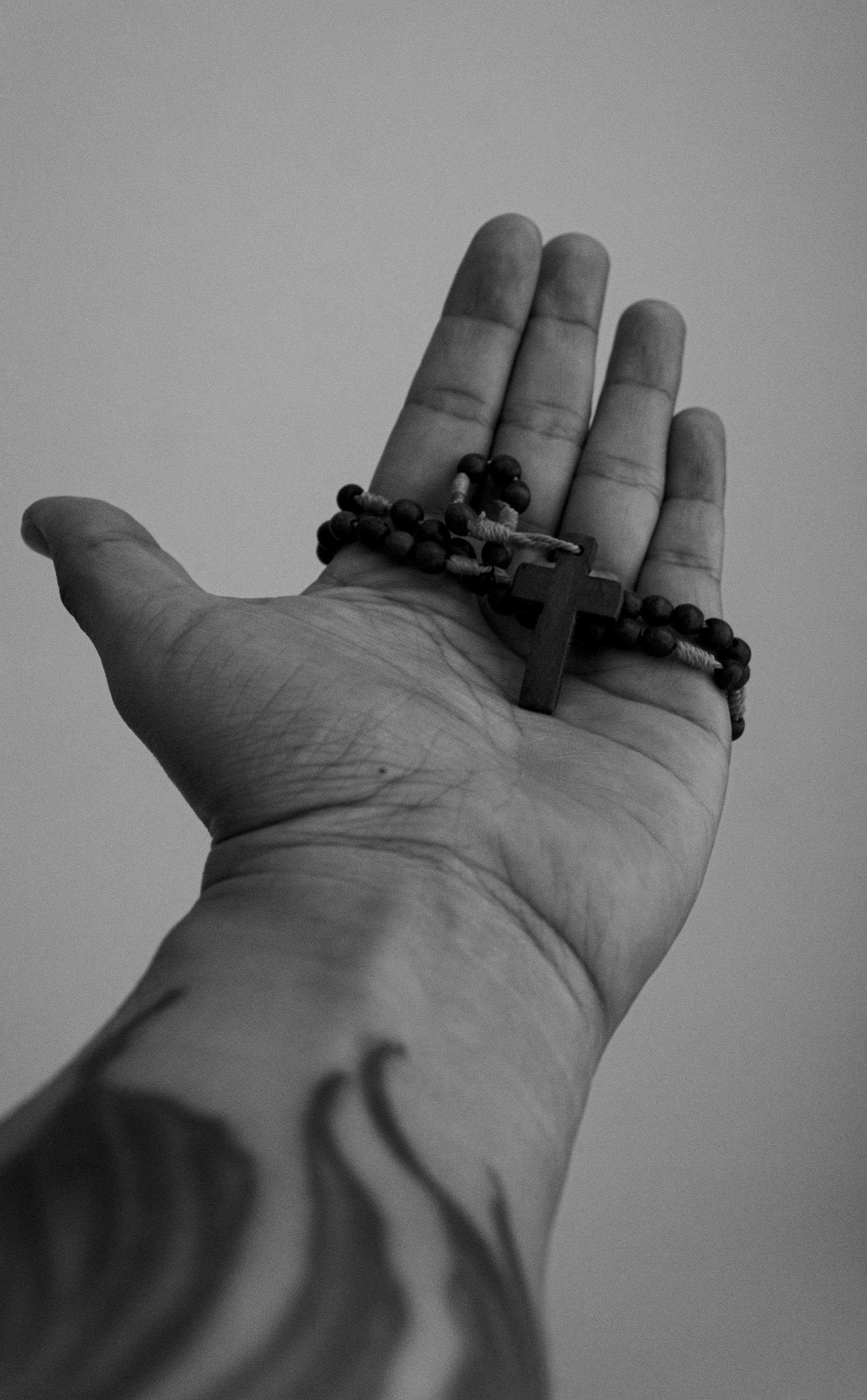
Gospel (Joe 8,51-59): «Truly, truly, I say to you, if anyone keeps my word, he will never see death.» The Jews then said to him, «Now we know that you have a demon. Abraham died, and the prophets also, and you say, ‘If anyone keeps my word, he will never taste death.’ Are you greater than our father Abraham, who died? And the prophets died too. Who do you claim to be?» Jesus answered, «If I glorify myself, my glory is nothing. It is my Father who glorifies me, the one you say is your God. Yet you do not know him, but I know him. And if I said I did not know him, I would be a liar like you. But I do know him and keep his word. Your father Abraham rejoiced to see my day; he saw it and was glad.» The Jews then said to him, «You are not yet fifty years old, and have you seen Abraham?» Jesus answered, «Truly, truly, I say to you, before Abraham was, I am.» So they picked up stones to stone him, but Jesus hid himself and went out of the temple.
The passage from John 8:51-59 shows an important moment in the Gospel of John. Jesus makes a promise: "If anyone keeps his word, he will never see death." This dialogue takes place in the Temple, during the Feast of Tabernacles. He speaks of faith, authority, and the identity of God.
Friar Jacir de Freitas Faria analyzes that John 8,Verses 51-59 make us think about death and hope. For him, the phrase "he will never see death" offers comfort and helps to cope with grief. Jacir connects this message with the idea of Jesus as a light and water that satisfies.
The listeners' response to Jesus reveals a clash between the old and the new. They do not believe in him and remind him that "Abraham died, as did the prophets." Jesus' statement, "Before Abraham was, I am," highlights his divine connection.
Today, the dialogue of John 8,John's teachings, 51-59, are widely discussed in sermons and online. Their message reaches many people through various channels and social media. This helps preachers, catechists, and the faithful bring John's teachings to their communities.
Historical and liturgical context of the episode in the Temple
The episode in John 8:51-59 occurred during the Feast of Tabernacles. This festival is known as Sukkot in the Jewish calendar. It celebrates the people's journey through the desert and life in temporary shelters for 40 years.
During the Feast of Tabernacles, the Temple in Jerusalem was filled with colors and rituals. These celebrations made the place a space full of symbolism.
Feast of Tabernacles and its meaning
During the Feast of Tabernacles, the people remembered God's protection. The liturgical readings brought to mind divine dependence. Frequently, narratives about Abraham and Moses were told, linking the past to the promise.
Practices of the eighth day: procession of water and lights
The final day was marked by unique ceremonies. One of them was the water procession. In it, water was carried from Siloam to the altar, symbolizing a plea for rain and prosperity.
Besides the water, there was the procession of lights. Lit torches and chants illuminated the night, celebrating the divine light.
Central themes of the celebration: Abraham, Moses, and the Law.
Readings and hymns spoke of Abraham, Moses, and the Law. They evoked covenant, revelation, and the ethical walk before God. In this context, Jesus used symbols of water and light, connecting to the symbolism of the feast to deliver his message.
Reading and exegetical analysis of John 8:51-59
The text of John 8:51-59 is complex and interesting. It shows an intense conversation about promises, who we are, and how people react. The analysis of this passage highlights the role of dialogue in Jesus' mission, especially during an important event in the Temple.
Text and translation: key verses
In John 8:51, Jesus says something powerful: “If anyone keeps his word, he will never see death.” Looking at different translations reveals small but important details. Careful analysis takes into account the context, differences in the text, and how it was received by those who heard it for the first time.
Literal and theological interpretation of the statement "will never see death"“
At first glance, Jesus' words seem to contradict reality, since Abraham and the prophets died. The first readers took the promise literally. But, looking deeper, we understand that it speaks of a life with God, a life that does not end, offered through faith in Jesus.
- Historical perspective: the promise was made in the Temple, in a context of worship.
- Semantic perspective: "keeping one's word" means obeying and trusting, and goes beyond rituals.
- Eschatological perspective: physical death occurs, but the promise of "not seeing death" speaks of a deeper meaning of existence and eternal communion.
The relationship between word, faith, and immortality according to the text.
The connection between the word and faith is central to understanding the text. Keeping the word is more than just hearing; it is accepting, living, and sharing what Jesus revealed. This attitude is the foundation of eternal life, according to the theological view.
Practical observations for reading
- Analyze different translations to notice the nuances.
- Read expert commentary and homilies that connect the text to contemporary spiritual life.
- Delve deeper into the study of John 8, focusing on key terms to grasp the full meaning of "will never see death" in the Gospel of John.
Jewish reactions to the text and their implications.
The episode in John 8 It shows the strong reaction of those who were there. They were surprised, afraid, and disagreed with what Jesus said. He spoke about his word and the fact that he would not face death.
Upon hearing Jesus, some accused him of being possessed. They did not understand his message. And, therefore, they tried to diminish his authority with the accusation of being a demon.
Then they used the example of Abraham, who died, as did the prophets. This was to question what Jesus had promised. This point brought the discussion back to the reality and tradition known to them.
The arguments revealed greater disagreements among the people. Especially when Jesus said something that challenged their beliefs. It wasn't just a question about God, but about who could speak about the covenant.
The issue of Jesus' authority is crucial here. He spoke of something new, connected to life and to Abraham. This led them to question whether he was the Messiah. The discussion revealed a struggle over who has a voice in the Law and what to expect for the future.
- Demonic accusation: an immediate reaction that attempts to neutralize the message.
- Abraham died: a historical argument used to relativize the promise.
- The authority of Jesus: the breaking point that fuels polarization.
- Jewish-Christian tensions: conflict of memory, tradition, and interpretative power.
The debate in the Temple reveals broader conflicts at play. It shows how different interpretations of Scripture provoke social and religious disputes.
Christological meaning of "before Abraham was, I am"“
When John says, “Before Abraham was, I am,” he reveals something profound. He connects Christ’s eternity with his mission on earth. This statement points to Christ’s existence before all else and highlights his special identity.
The expression in the present tense shows that Jesus has always existed. Scholars explain that this highlights his permanence and power. Using the present tense shows that Jesus is not just a historical figure. He has a profound theological significance.
- By saying “I Am,” Jesus recalls the divine name revealed to Moses in Exodus 3. Associating Jesus with “I Am” shows that the Gospel of John sees him as divine. This signals the idea that Jesus shares the same divine nature.
- This expression "I am" is important in the Christian faith. It forms the basis for a deep understanding of Christ. Thus, rituals and celebrations acknowledge Jesus as the true presence of God among us.
- The divinity of Jesus signifies that he is the source of life and light. At the Feast of Tabernacles, Jesus is shown as a guiding light. This has important significance for believers.
Friar Jacir says that Jesus brings a new way of life that overcomes death. This idea of "not seeing death" is about participating in eternal life, not just avoiding physical death.
Accepting Jesus as the source of life changes the way we live and believe. This influences celebrations, sermons about resurrection, and how we live our faith in community.
John 8:51-59 and the theme of death, mourning, and resurrection.
The confrontation between Jesus and his critics provides an opportunity to reflect on death, hope, and how we deal with it in community. They discuss the promise of life in the face of our mortality. This conversation sheds light on how religions and cultures view death and the moment of mourning.
Reflections by Friar Jacir on death, grief, and hope.
Friar Jacir says that believing in Jesus changes how we view loss. Speaking about the death of his own parents, he recounts how writing about his pain helped him overcome grief. He uses the image of a butterfly to illustrate how we can maintain the love for those who have passed away, even after their death.
How the promise of "not seeing death" guides bereavement care.
The pastoral care of bereavement uses biblical teachings to guide rituals of remembrance and prayer. Friar Jacir unites death and resurrection in spiritual consolation. This vision encourages rituals that blend mourning with the optimism of Easter.
Religious and cultural practices related to death and funerals.
In the past, intimate farewells at home by candlelight were common. Today, funeral home and hospital services have made everything more impersonal and rushed. Experts say these new ways of dealing with death can make grieving more difficult.
- Reinterpreting the wake: spaces for brief prayers and speeches.
- Active memory: writing letters, praying, and creating albums that preserve affection.
- Digital resources: using Instagram to share memories.
Pastoral care during bereavement combines emotional and spiritual support. Without proper grieving, people can become psychologically ill. Groups that follow the example of Friar Jacir promote reading, writing as therapy, and simple celebrations.
Revisiting how death rituals are performed brings dignity to this moment. This connects Christian hope to the reality of grieving families. The goal is to create spaces where mourning is accompanied by care, remembrance, and hope.
Pastoral and spiritual applications for contemporary readers.
John's text encourages communities and leaders to live out the promise of life in a practical way. It inspires the creation of a pastoral ministry that stands alongside those who suffer. All of this through presence, rituals, and a hope that is shown in action.
Closing the grieving process with faith: practical exercises and testimonies.
Friar Jacir suggests grieving practices involving prayer and the expression of creativity. Writing about grief helps to understand feelings and share experiences in a group.
He advises combining prayers, personal stories, and simple rituals that honor life. Shared stories, whether through audio or writing, increase the reach of pastoral care while maintaining its depth.
Living Easter every day: justice, peace, and truth as the path.
Living Easter every day requires action that connects faith with ethics. Belief in the resurrection should motivate efforts for justice and peace.
Simple acts, such as helping others and supporting social causes, show the reality of Easter in the lives of those in need.
Recommended resources: readings, sermons, and reference works.
To delve deeper, read the works recommended by Frei Jacir, including books on the vision of death and spirituality. Books by Leonardo Boff complement the study on this topic.
It is helpful to look for sermons and educational videos for study groups. Materials for religious leaders and scripts for ceremonies are essential.
Online tools, such as Instagram and forums, help in organizing and sharing information. But caution is needed when using digital media to ensure privacy.
- Grief exercises: writing, ritual remembrance, and sharing circles.
- Everyday Easter: small acts of justice and community celebration.
- Resources for preachers: texts by Frei Jacir, reflections by Leonardo Boff, and liturgical outlines.
Conclusion
John 8,Verses 51-59 show the union of liturgy, Christology, and pastoral care. During the Feast of Tabernacles, Jesus speaks about life and his divine identity. This reveals how faith changes our view of death. The text teaches us about Christian hope through the pre-existence of Jesus and his words "I am.".
Friar Jacir teaches us about death and the wisdom it brings. He says that believing in the resurrected Jesus transforms our loss into a path to eternal life. This teaching helps to care for those who are grieving, showing the importance of faith and acts of solidarity.
Today in Brazil, following John 8:51-59, we can combine liturgical studies and insights from authors like Frei Jacir and Leonardo Boff with online pastoral tools. This mix reinforces our hope and helps in the practice of resurrection and mourning in communities, preparing for the definitive Easter.
Content created with Artificial Intelligence Assistance