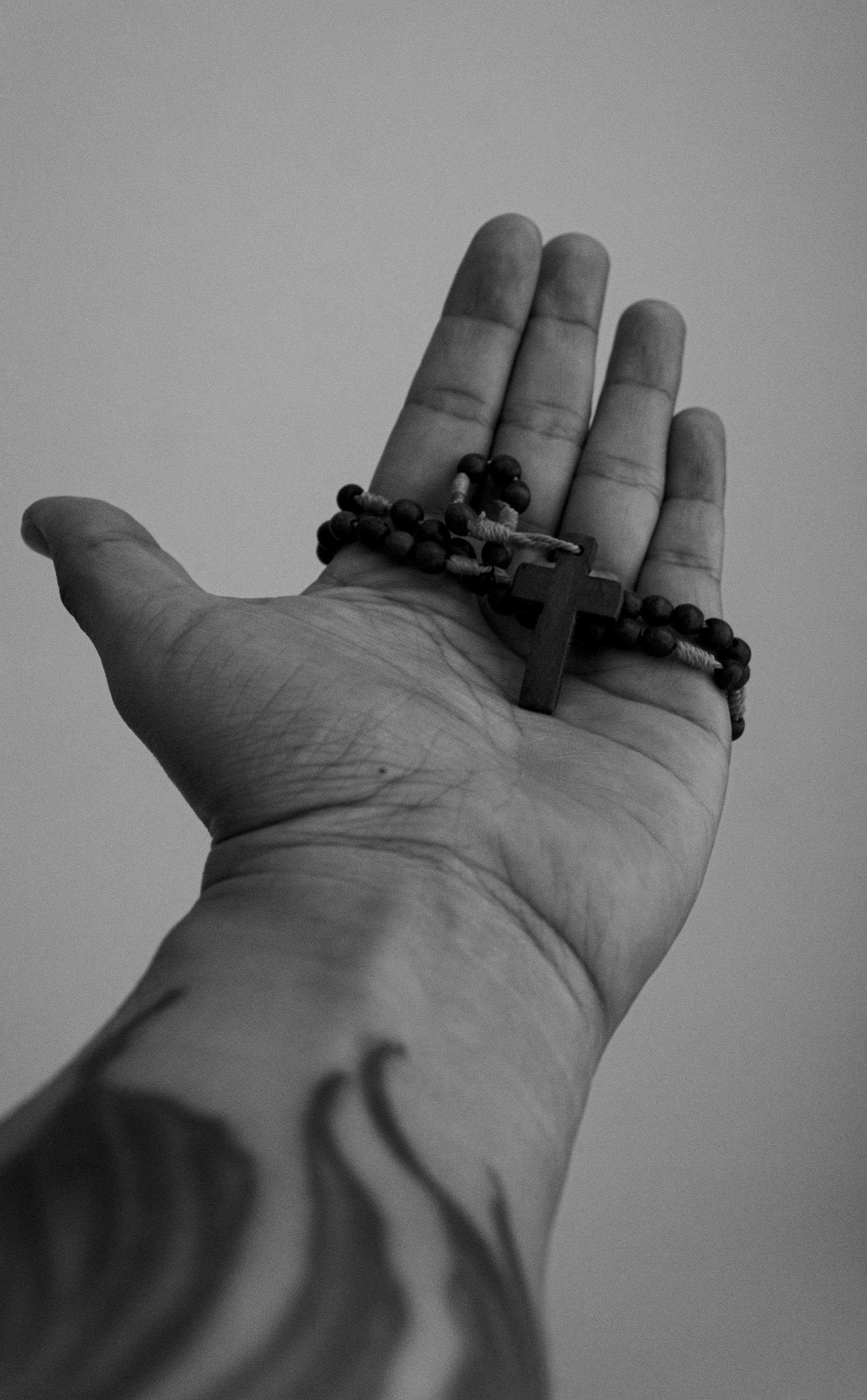
This text discusses an important part of the Sermon on the Mount, from Matthew 5:20-26. It was translated by the CNBB (National Conference of Brazilian Bishops) with insights from Egídio Serpa, Fr. João Carlos Ribeiro, Friar Bruno Glaab, and Sr. Patrícia Silva.
Jesus teaches that we need to be more righteous than the scribes and Pharisees. He explains that it is not enough to simply refrain from killing. It is also necessary to avoid anger and hatred in our hearts. Jesus warns that calling others "scoundrel," "imbecile," "fool," or "madman" is already a bad act.
He also speaks about the importance of reconciling a life of faith with harmonious coexistence. Before making offerings at the altar, we must reconcile with others. Furthermore, he emphasizes the need to resolve problems with adversaries before going to court, to avoid imprisonment or fines.
This article focuses on understanding Jesus' words in Matthew. We will highlight justice and reconciliation as essential points. In the following sections, we will explore more about the context and meaning of these teachings for our community.
Historical and literary context of the Sermon on the Mount
The Sermon on the Mount is an important text in Matthew. It organizes teaching, ethics, and liturgy. This is for communities that came from Judaism. The text shows Matthew's concerns. It also gives a new perspective on the Mosaic tradition, using the teachings of Jesus.
The use of the expression "Kingdom of Heaven" shows Matthew's attention to his Jewish audience. This helps us understand the connection of the Gospel to the Torah and the history of Israel. But it also shows how Jesus brings a new message.
-
Author and audience: Matthew wrote for those familiar with Judaism. They wanted to see Jesus as the fulfillment of the promises. He uses Jewish references to speak to his audience.
-
Purpose of the sermon: The sermon aims to show Jesus as a valid interpreter of the Law. He emphasizes righteousness of heart, love, and mercy. This is essential in Matthew's theology.
-
Tradition and conflict: Matthew speaks about true righteousness compared to the false religiosity of the Pharisees. He does not criticize the Law, but the superficial way of following it.
The Sermon on the Mount is a guide for the early Christian communities. It provides guidance on preaching, ethics, and worship. Thus, it connects worship and community life according to Matthew.
Ancient texts, such as Isaiah, are used to illustrate the importance of true justice. The reading from Matthew calls for a justice that goes beyond appearances. It must reach the heart and attitudes towards others.
Detailed exegesis of Matthew 5:20-26
The exegesis of Matthew 5,Verses 20-26 immerse us in the heart of Jesus' message. He calls us to look beyond the rules, focusing on how we live from within. The phrase "You have heard... But I tell you" shows that Jesus wanted to go beyond the Law, teaching with authority.
Verse-by-verse analysis
In verse 20, Jesus speaks about attaining a righteousness greater than that of the religious leaders of his time. He desires a righteousness that comes from the heart, not merely from following external rules.
Verses 21 and 22 expand on the commandment "You shall not murder." Jesus says that even anger, insults, and contempt are like killing in the heart. Ancient texts and commentators like Friar Bruno explain how words can deeply wound a person.
In verses 23 and 24, Jesus teaches us to make peace before we worship. He states that reconciliation is an important act of faith for the community.
Between verses 25 and 26, the message is clear about resolving conflicts quickly. The reference to paying "to the last penny" shows the seriousness of reconciliation.
Meaning of “your righteousness” in Matthew
In Matthew's view, "your righteousness" reflects the righteousness of the Kingdom, marked by love and forgiveness. It is not based on rituals, but on the transformation of the heart, attitudes, and relationships.
Catholic authors highlight the difference between this justice and that practiced by the Pharisees. They emphasize the importance of internal change, which also affects society and the liturgy.
Interpretation of expressions about anger, insults, and "hellfire"“
Calling someone a "scoundrel" or a "fool" are examples of how words diminish another person's dignity. Jesus compares these insults to serious moral harm.
Referring to "hellfire" alludes to Gehenna, symbolizing a severe judgment. It's a call for change before bad attitudes have serious consequences.
- It is vital to connect emotion and action, teaching about anger and judgment. This is part of spiritual care and moral development.
- Reconciliation is understood as both a theological and a practical act, highlighted by the liturgy.
- The text encourages teaching communities to practice Kingdom justice in their daily lives.
Matthew 5:20-26: Justice, love, and the intention of the heart
In this passage from the Sermon on the Mount, Jesus asks us to look beyond the law. He wants an inner transformation that will change the way we act, speak, and relate to others.
From the letter of the Law to its root: inner justice versus outer justice.
Matthew tells us that more than just following rules matters in the Kingdom. Egídio Serpa and Father João Carlos emphasize that caring for others demonstrates true justice.
A justice that comes from within values affection, tenderness, and understanding. Without this transformation, rituals lose their meaning. Correct actions and forgiveness reveal our love in practice.
How Jesus redefines the commandment "Thou shalt not kill"“
Jesus gives a new meaning to the commandment not to kill. The Pauline Sisters and Friar Bruno see this as avoiding anger and offense.
Hurting someone with words breaks our connection with that person. Jesus wants us to avoid these situations, seeking reconciliation before things get worse.
Moral implications: anger, insults, and responsibility before God.
Anger, impatience, and speaking ill of others are injustices that God will judge. Sister Patricia Silva says that our offerings to God are worthless if we do not mend broken relationships.
- Viewing anger as a problem is part of self-discipline.
- Seeking to correct our mistakes shows that we care about what God thinks.
- Forgiveness is a way of living our faith together with others.
To live this justice of the heart means to want the good of others. Thus, we live protecting the dignity of each person, as taught by the commandment not to kill.
Reconciling before offering at the altar: practice and spirituality
Before offering anything, it's important to be at peace. The Bible shows that worship without reconciliation is meaningless. The heart must be pure, and peace with others is essential.
The liturgical gesture and the link between worship and fraternal relationship.
When someone leaves an offering and seeks reconciliation, it shows that faith is not lived in isolation. Living in community and fraternity is necessary for a true liturgy.
Friar Bruno explains that liturgy and living as brothers must go hand in hand. Without reconciliation, worship can become meaningless.
The relationship between reconciliation and accepting God's offer.
Offering something without being at peace can weaken the gesture. Tradition says that God accepts offerings from a pure heart.
Father João Carlos Ribeiro and Egídio Serpa emphasize the importance of reconciliation. It ensures that our offering is accepted by God.
Pastoral examples and suggestions for the community (prayers, confession, mediation)
Communities can adopt practices that aid dialogue and reparation. See some suggestions below.
- To promote prayers of reconciliation during Sunday Masses, using models from the Pauline parish leaflets.
- Encourage confession and mediation when conflict prevents direct confrontation.
- To offer reconciliation workshops and retreats focused on relational restoration.
- To form groups in nonviolent communication and community mediation, with guidance from the parish priest.
- Introduce exercises for self-examination focused on attitudes, using texts by Sister Patricia Silva.
Practices such as reading the Gospel, silence, and communal re-reading are important. They transform good intentions into real actions.
Practical and pastoral applications for today.
Matthew's text calls for changes in community and personal life. It shows ways to transform conflict into peace. The steps suggested here help leaders and believers face this challenge.
How to apply this to personal and community relationships.
- Conduct a self-assessment regarding anger and offense, noting actions you can take to improve.
- Have conversations to clear things up before the rituals. This shows that friendship is more important than rituals.
- Encourage forgiveness in families and groups using love as a guide.
- Use examples in sermons, mentioning works by Egídio Serpa and Father João to enrich the reflection.
Exercises in prayerful reading and meditation on the text.
- Practice reading slowly, silently, and asking questions to understand the text.
- Pray for the Holy Spirit's help. Use the silence to see where you went wrong.
- Meditate to examine your habits. This helps you to love more, as Sister Patricia Silva teaches.
- Schedule 10-20 minute sessions for groups to discuss the text and commit to making changes.
Guidelines for preachers and leaders: forming communities of reconciliation
- Use examples from the Bible and real life in your sermons. This way, people see that the message is relevant today.
- Offer courses on how to communicate without arguing and on ethical treatment of others. This improves church leadership.
- Incorporate moments into the celebration for asking for forgiveness. Teach people how to confess in a group and mediate arguments when needed.
- Create educational campaigns with materials for meetings. Use local publications and ideas to help with peace learning.
Practical tools
- Prepare outlines for sermons and meetings, with prayers for everyone to use.
- Create flashcards to reflect on mistakes, helping with group readings of the Gospel.
- Suggest activities to practice love, such as conversation meetings and peace initiatives.
- Train leaders to spread good deeds and help improve the community.
These actions transform theory into practice. The reading of the Gospel and community peace grow with the support of leaders.
Conclusion
Matthew 5,Verses 20-26 tell us that justice must come from heart. It's not enough to simply follow external rules. Jesus' message goes beyond the commandment "Thou shalt not kill." It includes avoiding anger, insults, and anything that hurts others.
This passage highlights the importance of living in a spirit of justice and reconciliation. Before celebrating or making offerings, we are called to reconcile. It is essential to forgive, mediate conflicts, and respect everyone around us.
From a pastoral perspective, this passage teaches us how to live Christianity practically today. It invites us to constant conversion, to pray, and to learn together in community. The ideas of Egídio Serpa, Frei Bruno Glaab, Sr. Patrícia Silva, and the documents of the CNBB/Paulinas show how to make justice and reconciliation real and visible in the world.
Content created with Artificial Intelligence Assistance